 1831 N State St

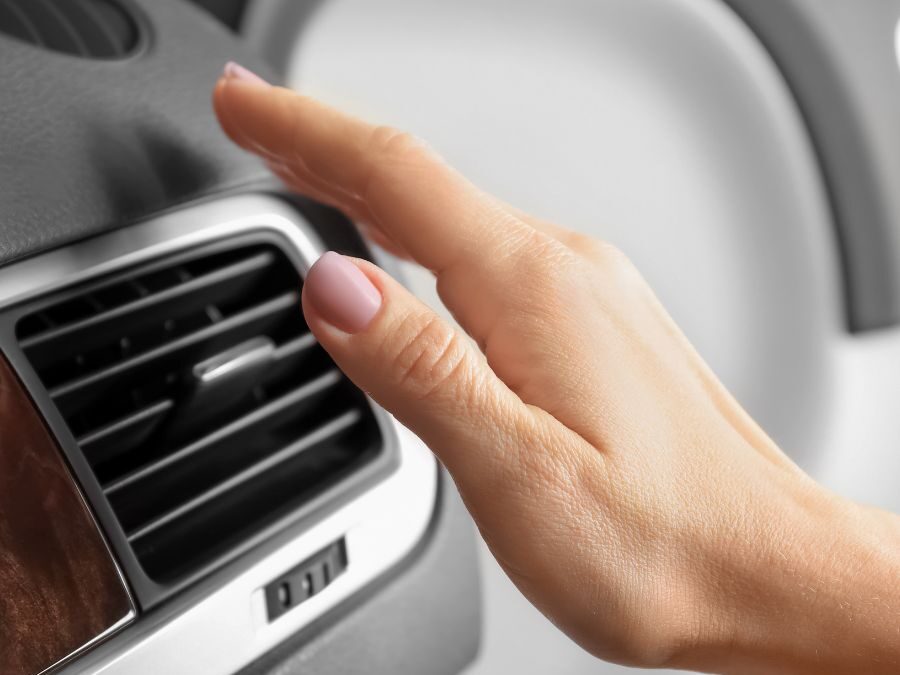
You start your car on a cold Bellingham morning, turn the temperature all the way up, and wait.
Five minutes later, the vents are still blowing cold air.
A car heater not working can be frustrating, but the cause isn’t always inside the dashboard. Your vehicle’s heating system depends heavily on the engine cooling system, which means low coolant, thermostat problems, circulation issues, or a failing heater core can all leave you without heat.
Other problems are electrical. If no air comes from the vents at all, the blower motor, wiring, controls, or another climate-control component may be responsible.
The symptoms provide clues, but proper diagnosis is the fastest way to determine what’s actually wrong.
Schedule Your Car Heater Inspection in Bellingham
If your heater is blowing cold air, your windshield won’t defrost properly, or the heat changes unexpectedly while driving, Bruce Cox Auto Service & Repair can inspect the system and identify the cause.
How Does Your Car Heater Work?
Most gasoline-powered vehicles don’t create cabin heat with a separate heater.
Instead, they use heat that the engine is already producing.
As your engine warms up, coolant absorbs heat and circulates through the cooling system. Some of that hot coolant travels through a small radiator-like component behind the dashboard called the heater core.
The blower fan pushes air across the warm heater core and into the cabin.
That means several things need to happen correctly:
- The engine needs to reach operating temperature
- The vehicle needs enough coolant
- Coolant needs to circulate properly
- Hot coolant needs to reach the heater core
- Air needs to flow across the heater core
- Climate-control doors need to direct that air correctly
A failure anywhere in that chain can leave you with little or no heat.
Why Is My Car Heater Blowing Cold Air?
If air is coming out of the vents but never gets warm, start by thinking about the cooling system.
Low Coolant
Low coolant is one of the first things worth investigating.
If there isn’t enough coolant in the system, hot coolant may not circulate properly through the heater core.
You may notice:
- Heat that comes and goes
- Cold air while idling
- Gurgling behind the dashboard
- A sweet coolant smell
- A repeatedly low coolant reservoir
- Rising engine temperature
Low coolant isn’t the diagnosis, though.
Coolant shouldn’t simply disappear.
If the level keeps dropping, there may be a leak from a hose, radiator, reservoir, water pump, heater core, gasket, or another cooling-system component.
Our guide to how often coolant should be changed explains why coolant condition and coolant loss are two different issues. Fresh coolant maintains a healthy system, but it cannot repair a leak.
A Thermostat Stuck Open
The thermostat helps regulate engine temperature by controlling coolant flow.
If it becomes stuck open, coolant may circulate through the radiator too early or too continuously, preventing the engine from reaching its normal operating temperature efficiently.
One clue is a temperature gauge that stays unusually low even after you’ve been driving for a while.
You may also notice weak cabin heat that improves slightly during certain driving conditions.
Replacing the thermostat shouldn’t be the automatic response to every cold heater, though. Testing helps confirm whether it is actually responsible.
A Restricted Heater Core
The heater core contains small passages that allow hot coolant to transfer heat into the cabin.
Over time, contamination or deposits can restrict those passages.
A restricted heater core may cause:
- Weak heat
- Heat that varies with engine speed
- Different temperatures from different vents
- One heater hose being noticeably hotter than the other
The correct repair depends on why flow is restricted and the condition of the system.
This is also one reason using random cooling-system additives or stop-leak products can create additional problems. Small passages in heater cores are particularly vulnerable to restriction.
What If No Air Comes Out of the Vents?
That’s a different symptom.
If you turn the fan on and nothing comes out of the vents, the cooling system may not be the primary problem.
Possible causes include:
- Blower motor failure
- Blower motor resistor or control-module problems
- Fuse or relay issues
- Wiring faults
- Climate-control switch problems
- Electrical connection issues
Try different fan speeds.
If the blower works on some settings but not others, that information can help the technician narrow down the problem.
Bruce Cox provides auto electrical repair in Bellingham for climate-control, wiring, charging, and other electrical problems where testing is more effective than guessing at components.
What If the Heater Works While Driving but Turns Cold at Idle?
This symptom deserves attention.
Heat that changes significantly with engine speed can sometimes indicate a coolant-flow problem.
Possible causes include:
- Low coolant
- Air trapped in the cooling system
- Restricted heater core
- Weak coolant circulation
- Water pump problems
Don’t assume the vehicle simply “needs to warm up more.”
If heat output used to remain consistent and suddenly changes with engine speed, something in the system may have changed.
No Heat Plus an Overheating Engine Is More Serious
This combination matters.
If your heater suddenly begins blowing cold air and the engine temperature starts climbing, don’t treat it as a climate-control problem.
Loss of cabin heat can occur when there isn’t enough coolant reaching the heater core. If coolant circulation has been compromised throughout the engine, overheating can follow.
Continuing to drive an overheating vehicle can cause major engine damage.
If the temperature gauge moves into the hot range, a warning tells you to stop, or steam appears from under the hood, pull over safely and shut the engine off.
Our guide to car overheating in Bellingham covers what to watch for and when continuing to drive could make the problem much worse.
Why Bellingham Drivers Notice Heater Problems Quickly
A weak heater can be easy to ignore in July.
It’s much harder to ignore on a cold, dark November morning in Bellingham.
Local weather also makes the heating system important for visibility.
Your climate-control system helps remove moisture and condensation from the windshield. When heat or airflow isn’t working correctly, clearing a fogged windshield can become much more difficult.
Bellingham drivers also spend plenty of time using:
- Defrost
- Windshield wipers
- Cabin heat
- Heated accessories
- Climate-control fans
If your heater or defroster isn’t operating normally heading into the colder months, it’s worth having the problem addressed before you depend on it every morning.
Why Does My Car Heater Smell Sweet?
A sweet smell inside the vehicle can indicate coolant.
If the heater core leaks, coolant may escape inside or near the HVAC housing.
Other possible signs include:
- Windows fogging unusually
- A greasy or hazy film on the windshield
- Damp carpeting
- Dropping coolant level
- Weak heat
- Coolant odor inside the cabin
However, smells alone aren’t enough to diagnose a heater core.
Coolant can leak elsewhere in the engine compartment and still produce an odor that enters the cabin.
The system needs to be inspected to find the actual source.
Why Does My Heater Only Work on One Side?
Modern climate-control systems often use doors and electric actuators to control where air goes and how warm it is.
If the driver’s side is warm but the passenger side stays cold, particularly in a dual-zone climate-control vehicle, the problem may involve:
- Blend door actuators
- Climate-control doors
- HVAC control electronics
- Calibration problems
- Heater core temperature distribution
This is another situation where replacing the thermostat or flushing the cooling system without diagnosis may accomplish nothing.
The symptom points toward an area to investigate.
It doesn’t identify the failed component by itself.
Heater Not Working? Let’s Find Out Why
If you’re getting cold air when you should have heat, schedule an appointment with Bruce Cox Auto Service & Repair.
We’ll determine whether you’re dealing with a coolant problem, thermostat, heater core, electrical fault, blower issue, or another part of the climate-control system.
Can a Water Pump Cause the Heater to Stop Working?
It can.
The water pump circulates coolant throughout the engine, radiator, and heater circuit.
If circulation becomes inadequate, heater performance may change.
However, water pump problems can also lead to engine-temperature problems, coolant leaks, or other symptoms.
That’s why a heater that suddenly stops producing heat alongside rising engine temperature deserves immediate attention.
Water pump designs vary significantly between vehicles. Some are mechanically driven, while others use electric pumps, particularly on certain hybrid and modern vehicle systems.
The important part isn’t guessing that the pump has failed.
It’s confirming whether coolant is circulating correctly.
Is a Car Heater Problem Expensive to Fix?
It depends entirely on the cause.
A heater problem could involve something relatively straightforward, such as an electrical connection or control component.
Other repairs can be more involved.
A heater core, for example, is often located deep inside the dashboard, which can make replacement labor intensive on some vehicles.
Other possible repairs include:
- Coolant leak repair
- Thermostat replacement
- Blower motor replacement
- Electrical diagnosis and repair
- HVAC actuator replacement
- Cooling-system repair
- Water pump repair
That’s why a generic online price for “car heater repair” isn’t especially useful.
First determine why the heater isn’t working.
Then the repair can be priced accurately.
For broader diagnostic and mechanical concerns, Bruce Cox also provides complete auto repair in Bellingham for import and domestic vehicles.
Car Heater Repair for Bellingham Drivers
When Bellingham weather turns cold and wet, you shouldn’t have to choose between freezing inside your car and trying to see through a fogged windshield.
Bruce Cox Auto Service & Repair has served Bellingham drivers since 1995. Our technicians diagnose heating, cooling, electrical, and climate-control problems rather than assuming every no-heat complaint has the same cause.
If the vents are blowing cold, the blower has stopped working, coolant keeps disappearing, or your heater temperature changes while you drive, we’ll help determine what’s actually happening.
Schedule Your Car Heater Repair in Bellingham
Don’t wait for the first freezing morning to find out your heater isn’t coming back.
Schedule an inspection with Bruce Cox Auto Service & Repair and let us identify the cause so your heat and defrost are ready for Bellingham’s colder months.
Car Heater Not Working FAQ
Why is my car heater blowing cold air?
Common causes include low coolant, a thermostat problem, restricted heater core, trapped air, or poor coolant circulation. If the blower is moving air normally but the air never becomes warm, the cooling system is often one of the first areas to inspect.
Why is no air coming from my car vents?
If no air comes from the vents at any temperature, the problem may involve the blower motor, fuse, relay, wiring, fan-speed controls, or another electrical component rather than the engine cooling system.
Why does my heater get cold when the car is idling?
Heat that disappears or becomes significantly weaker at idle can sometimes indicate low coolant, trapped air, heater-core restriction, or another circulation problem. Have the system inspected if heater output has noticeably changed.
Can low coolant cause my car heater to stop working?
Yes. The heater depends on hot engine coolant flowing through the heater core. If the coolant level becomes too low, the heater may produce inconsistent or cold air. Because coolant should not continually disappear, repeated low coolant should also be checked for a leak.
Where can I get car heater repair in Bellingham?
Bruce Cox Auto Service & Repair can diagnose heater, cooling-system, electrical, and climate-control concerns in Bellingham, WA. The cause should be identified before replacing thermostats, heater cores, blower motors, or other components.