 1831 N State St
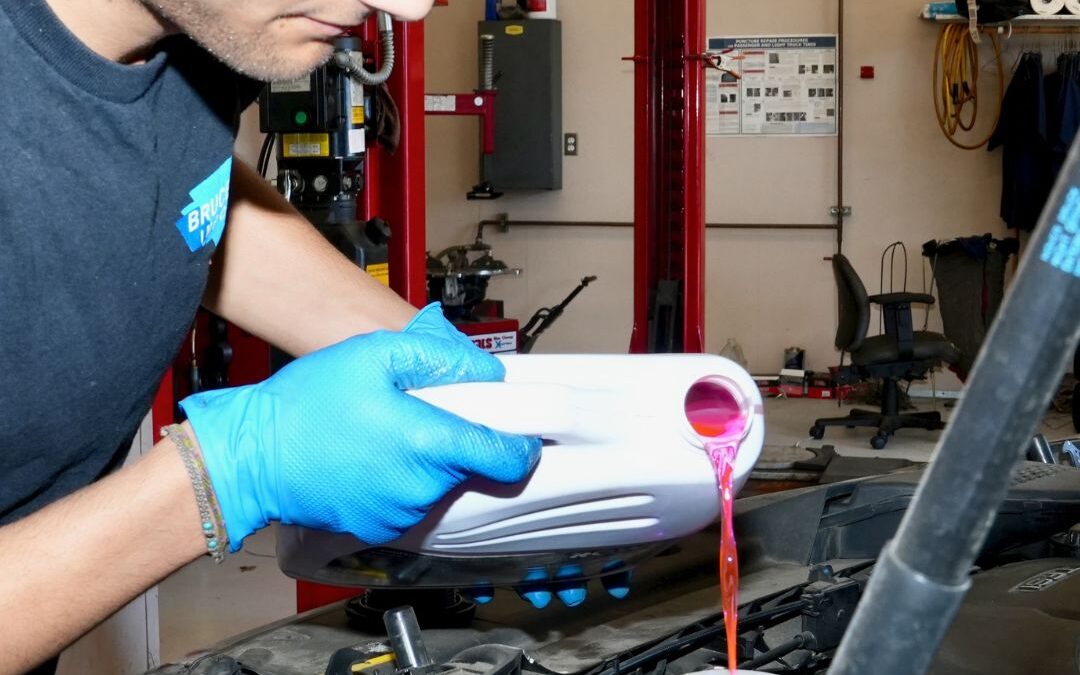
Coolant rarely gets attention until the reservoir looks low or the temperature gauge starts climbing. By that point, the cooling system may already have a leak or circulation problem.
So, how often should coolant be changed? The correct interval depends on the vehicle, coolant specification, service history, and manufacturer guidance.
Coolant is also only one of several fluids protecting your car. Engine oil, transmission fluid, brake fluid, and differential fluid perform different jobs and follow different service schedules.
At Bruce Cox Imports, we identify the correct fluid and service interval before recommending maintenance. We also inspect for leaks because replacing fluid does not repair the reason it disappeared.
Schedule a fluid and cooling system inspection
Why Fluid Maintenance Matters in Bellingham Driving Conditions
Hills and Traffic Generate Heat
Bellingham’s hills place additional load on engines, transmissions, and brakes. Stop-and-go traffic adds heat while limiting airflow through the radiator.
Coolant carries engine heat to the radiator. Transmission fluid manages heat while lubricating parts and supplying hydraulic pressure.
Brake fluid transfers pedal force to the calipers. Repeated braking on hills can raise its temperature significantly.
Fluids gradually lose protective qualities as they age. Heat, oxygen, moisture, and contamination all contribute to that change.
Short Trips Create Moisture and Contamination
Short trips may not keep the engine at full operating temperature for long. As a result, moisture can remain in the engine oil instead of evaporating.
Frequent cold starts also increase fuel and combustion contamination. This matters for Hondas, Toyotas, Subarus, VWs, Audis, and other vehicles used mainly for local errands.
Time matters as much as mileage for some fluids. A low-mileage vehicle may still need service because fluids and additives age.
Wet Conditions Make Leaks Harder to Notice
Small fluid leaks can disappear against wet pavement. Some fluids also collect on splash shields before reaching the ground.
Coolant may evaporate when it touches a hot engine. A driver may notice a sweet smell without finding a visible puddle.
Brake fluid, transmission fluid, and engine oil can also travel along nearby components. The drip location does not always reveal where the leak began.
Shop Note: Fluid does not get “used up” without a reason. A falling level should be inspected before topping off becomes a routine habit.
How Often Should Coolant Be Changed?
There is no universal coolant interval. Some vehicles require an earlier initial service followed by different intervals afterward.
Coolant type also matters. Modern vehicles use several coolant chemistries designed for specific metals, seals, water pumps, and cooling system materials.
The best starting points include:
- The manufacturer’s maintenance schedule
- The vehicle’s age and mileage
- The coolant’s service history
- The correct coolant specification
- Visible contamination or corrosion
- Previous cooling system repairs
- Any history of overheating or coolant loss
Color alone does not identify coolant type or remaining service life. Different products may share similar colors while using incompatible chemistry.
We review the vehicle information and service records before recommending an interval. When history is unknown, inspection and testing help determine the appropriate next step.
What Coolant Does Inside Your Engine
Engine coolant is a mixture of concentrated antifreeze and water, or a premixed product ready for use. The correct ratio provides heat transfer, freeze protection, and corrosion control.
Coolant flows through the engine, cylinder head, radiator, heater core, and related passages. The water pump keeps it circulating while the thermostat controls flow based on temperature.
The additive package protects aluminum, iron, seals, and other cooling system materials. Over time, those additives become depleted or contaminated.
Old coolant may become less effective at controlling corrosion. Deposits can also restrict small passages and affect heat transfer.
Coolant service cannot repair a leaking radiator, failed water pump, or damaged head gasket. Those problems require diagnosis and repair.
Other Vehicle Fluids That Need Attention
Engine Oil
Engine oil lubricates bearings, pistons, timing components, and other moving parts. It also carries heat and contamination away from critical surfaces.
Oil service should follow the correct viscosity, specification, mileage, and time interval. Short trips and repeated cold starts can influence that plan.
Our oil change service includes more than draining and refilling the crankcase. Fluid leaks and abnormal conditions can provide early clues about engine health.
Transmission Fluid
Transmission fluid lubricates components, controls heat, and may supply hydraulic pressure. Automatic transmissions, CVTs, and dual-clutch systems have different fluid requirements.
A Subaru CVT does not use the same fluid as every Honda automatic or VW DSG. Installing the wrong product can affect operation and component life.
Fluid service can support a healthy transmission. However, it will not repair a failing solenoid, worn valve body, damaged clutch, or internal mechanical problem.
Changes in shifting should be diagnosed before assuming a fluid change will correct them. Our transmission service starts with understanding the symptom and system involved.
Brake Fluid
Brake fluid transfers hydraulic pressure from the master cylinder to the calipers or wheel cylinders. It must tolerate substantial heat without boiling.
Most brake fluids absorb moisture over time. That moisture can lower the boiling point and contribute to internal corrosion.
Brake fluid condition should be evaluated using manufacturer guidance and appropriate testing. Dark color alone does not provide a complete diagnosis.
A falling brake fluid level may indicate pad wear or a leak. It should not be topped off repeatedly without understanding the cause.
Differential and Transfer Case Fluid
Differentials allow wheels to rotate at different speeds while turning. Their gears and bearings depend on the correct lubricant.
AWD vehicles may have front, rear, and center drivetrain components with separate fluid requirements. Service needs vary significantly by design.
Subarus, Toyotas, Lexus models, and other AWD vehicles should follow vehicle-specific specifications. Assuming every gear oil is interchangeable can lead to expensive problems.
Power Steering Fluid
Many newer vehicles use electric power steering and have no hydraulic fluid. Others use a pump, reservoir, hoses, and hydraulic steering rack.
A low level usually means the system is leaking. Fluid may escape from a hose, pump, seal, or steering rack.
The correct fluid varies by vehicle. Some systems require a dedicated steering fluid, while others use a specified automatic transmission fluid.
The Bruce Cox Imports Fluid Service Process
We begin by identifying the vehicle, drivetrain, engine, and service history. These details determine which fluids and specifications apply.
Next, we inspect the fluid levels and related systems. We do not recommend replacing every fluid simply because the vehicle reached an arbitrary mileage.
Our process may include:
- Reviewing the manufacturer’s maintenance schedule
- Confirming previous fluid services
- Checking fluid levels and visible condition
- Inspecting for leaks and damaged components
- Verifying the correct fluid specification
- Testing fluid condition when appropriate
- Explaining which services are due
- Separating active repairs from preventive maintenance
- Performing the approved service correctly
- Checking operation and fluid levels afterward
Cooling systems require proper filling and bleeding. Trapped air can interrupt circulation, reduce heater output, and contribute to overheating.
Some transmissions require fluid-level checks within a specific temperature range. Others need scan-tool procedures or specialized filling equipment.
A general “flush everything” approach ignores those differences. Our scheduled maintenance service follows the needs of the specific vehicle.
Review your vehicle’s fluid service history
The Quick Fix Filter
Universal fluid claims deserve caution. A product labeled for many applications may not meet the exact specification your vehicle requires.
Mixing coolant types can reduce corrosion protection or create deposits. Adding the wrong transmission fluid can affect lubrication, pressure control, and shifting.
Coolant stop-leak products may restrict small passages in the radiator or heater core. They can also make the eventual repair more difficult.
A quick-lube fluid exchange may skip the inspection needed to find a leak. Fresh fluid can escape through the same damaged hose, seal, or gasket.
Transmission flushing also requires judgment. A fluid service should never be presented as a guaranteed repair for slipping, shuddering, or delayed engagement.
The correct process is simple: identify the fluid, inspect the system, and confirm the proper service procedure.
What Bellingham Drivers Should Watch For
Schedule an inspection when you notice:
- A low fluid level
- Coolant that repeatedly disappears
- Red, green, blue, pink, brown, or clear fluid under the car
- A sweet, burnt, or oily smell
- A rising temperature gauge
- Steam from under the hood
- Rough or delayed shifting
- Brake pedal changes
- Steering noise or increased effort
- Warning lights
- Gurgling behind the dashboard
- Milky residue in the engine oil
- Dark particles or contamination in a reservoir
- A recent overheating event
A fluid change maintains a healthy system. It does not repair the leak or mechanical failure that contaminated the fluid.
When to Schedule Fluid Service
Schedule Soon
Book an appointment when maintenance records show a fluid is due or its history is unknown. Recurring coolant loss, small leaks, shifting changes, and unusual odors also need prompt inspection.
Addressing a leak early may prevent overheating or damage to related components.
Stop Driving and Call a Shop
Stop safely if the oil pressure light stays on or the temperature gauge enters the hot range. Major brake fluid loss, severe shifting problems, or heavy steam also requires immediate caution.
Do not remove a coolant cap while the system is hot. Pressurized coolant can cause serious burns.
Arrange a tow when continued driving may be unsafe or damaging.
Mention It at Your Next Maintenance Visit
Ask us to review fluid history during your next service. This is especially helpful after buying a used vehicle without complete maintenance records.
A fluid plan should prioritize manufacturer requirements, current condition, and how the vehicle is used.
Schedule your fluid maintenance inspection
Frequently Asked Questions
How often should coolant be changed?
Coolant replacement intervals depend on the vehicle, coolant type, age, mileage, and manufacturer schedule. Some modern coolants have long initial intervals followed by shorter services. When the history is unknown, a shop should verify the specification and inspect the cooling system before making a recommendation.
Can I mix different coolant colors?
Do not assume coolants are compatible because their colors match. Color is not a reliable technical specification, and similar-looking coolants may use different additive chemistry. Check the manufacturer requirement before adding coolant. When uncertain, have the system inspected and the correct product identified.
How much does fluid maintenance cost in Bellingham?
Cost depends on the vehicle, fluid type, capacity, service procedure, and whether repairs are needed. A coolant service differs from transmission or differential maintenance. Reviewing the vehicle and its service history allows the shop to recommend the correct work and provide an accurate estimate.
Schedule Coolant and Fluid Service in Bellingham
Your car depends on several fluids, and each one performs a different job. The right product, interval, and service procedure matter.
At Bruce Cox Imports, we review the vehicle’s history, inspect for leaks, and explain which services are actually due. Schedule your fluid inspection for a maintenance plan built around your vehicle and Bellingham driving.