 1831 N State St

Your Audi still shifts smoothly. There are no warning lights, no grinding noises, and nothing obviously feels wrong.
So why would the transmission need service?
That is exactly why Audi DSG transmission service is easy to overlook.
Audi’s dual-clutch transmissions, commonly branded S tronic, depend on the correct transmission fluid, filtration, and manufacturer-specific maintenance to keep their internal clutches, gears, hydraulics, and electronics operating as designed.
Unlike waiting for a conventional repair symptom to appear, DSG or S tronic service is often preventive maintenance.
For Audi owners in Bellingham, the important question isn’t simply, “Is my transmission working?”
It’s “Is my Audi due for transmission service?”
Schedule Your Audi Transmission Service in Bellingham
If you’re approaching a major maintenance interval or aren’t sure when your Audi’s transmission was last serviced, Bruce Cox Auto Service & Repair can help determine what your specific model requires.
What Is an Audi DSG or S Tronic Transmission?
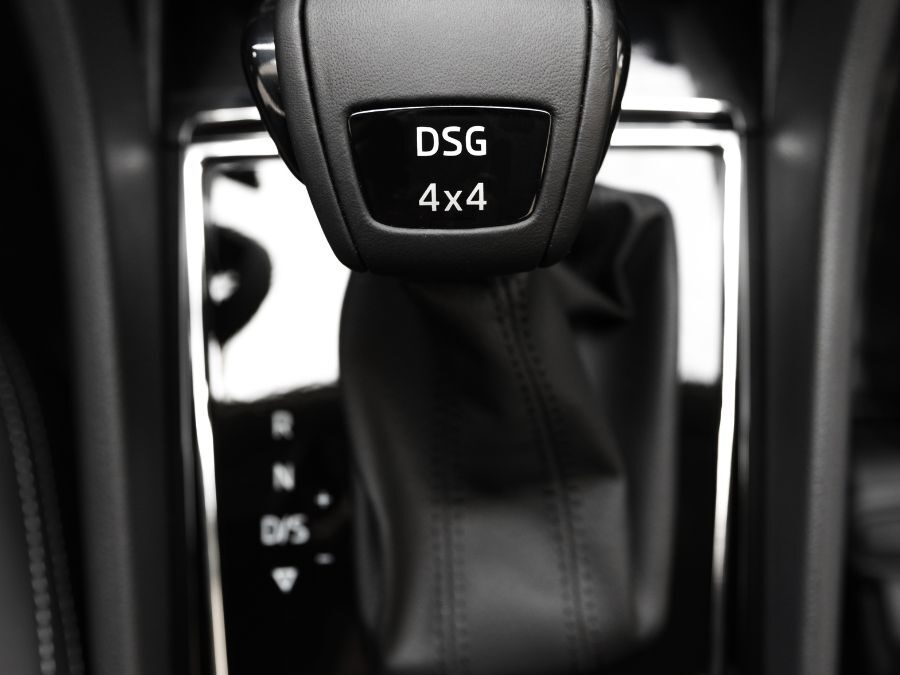
DSG stands for Direct-Shift Gearbox, a type of dual-clutch transmission used throughout the Volkswagen Group.
Audi generally markets its dual-clutch transmissions under the S tronic name.
Instead of using a traditional torque converter like many automatic transmissions, a dual-clutch transmission uses separate clutch systems to manage different sets of gears.
While one gear is engaged, the transmission can prepare the next gear.
The result is the quick, smooth shifting Audi drivers expect.
Underneath that performance, however, is a sophisticated system involving:
- Multiple clutches
- Transmission fluid
- Hydraulic controls
- Gearsets
- Electronic controls
- Sensors
- Mechatronic components
Keeping the correct fluid in good condition is an important part of maintaining that system.
How Often Does an Audi DSG Transmission Need Service?
This is where generic internet advice becomes dangerous.
There is not one universal DSG service interval for every Audi.
Audi’s maintenance schedules vary by:
- Model
- Model year
- Engine
- Transmission type
- Specific S tronic gearbox
For some Audi applications, scheduled S tronic fluid service has appeared around 40,000-mile intervals. Other transmission applications have used different intervals, including longer service periods.
That means you shouldn’t automatically service every Audi DSG at 40,000 miles just because that number appears frequently online.
You also shouldn’t assume the transmission has “lifetime fluid” because nobody mentioned service when you bought the car.
The correct approach is to identify the exact transmission and follow the maintenance schedule for that vehicle.
Bruce Cox takes the same vehicle-specific approach with transmission service and repair in Bellingham.
What Happens During Audi DSG Transmission Service?
The exact procedure depends on the transmission.
Generally, scheduled DSG or S tronic maintenance may involve replacing the transmission fluid and, where applicable, servicing the transmission filter.
However, dual-clutch transmission service isn’t simply:
Drain old fluid. Pour in new fluid. Done.
The transmission may require:
- The correct Audi-specification fluid
- Specific filling procedures
- Fluid-level checks at a defined temperature
- Diagnostic equipment
- Transmission-specific service procedures
- Filter replacement where applicable
- Inspection for leaks
- Verification of transmission operation
Using the wrong fluid or incorrect filling procedure can create problems in a transmission that was operating properly before service.
That’s one reason Audi transmission maintenance should be treated as a manufacturer-specific service rather than a generic fluid change.
Why DSG Fluid Matters
Transmission fluid has several jobs.
Depending on the gearbox design, it helps:
- Lubricate gears and bearings
- Control heat
- Support hydraulic operation
- Protect internal components
- Carry contaminants toward filtration
- Maintain predictable transmission operation
Over time, fluid is exposed to heat, mechanical stress, and contamination.
Its condition changes.
Scheduled replacement removes aged fluid and contaminants before they have additional time to circulate through the transmission.
Preventive service cannot guarantee a transmission will never fail, but ignoring required maintenance isn’t a strategy for extending its life either.
What Are the Signs an Audi DSG May Have a Problem?
Scheduled service and transmission repair are two different things.
If your Audi is already behaving abnormally, mention those symptoms when scheduling the appointment.
Possible signs of DSG or S tronic trouble can include:
- Shuddering
- Hesitation
- Harsh engagement
- Delayed engagement
- Unusual noises
- Transmission warning lights
- Difficulty selecting gears
- Fluid leaks
- Changes in shift quality
A fluid service should not automatically be used as a repair for an existing transmission problem.
If something already feels wrong, the first step may be diagnosis.
Bruce Cox’s Bellingham transmission repair service specifically addresses symptoms including shaking, slipping, leaking fluid, and difficulty changing gears.
Audi Shifting Differently? Have It Checked Before Assuming It Needs Fluid
If your Audi has developed shuddering, hesitation, warning lights, or noticeably different shifting, schedule an inspection with Bruce Cox Auto Service & Repair.
The goal is to determine whether you’re due for maintenance or dealing with a transmission problem that needs diagnosis.
What Is the DSG Mechatronic Unit?
If you spend enough time researching Audi or Volkswagen DSG transmissions, you’ll eventually encounter the word mechatronic.
The mechatronic system combines electronic and hydraulic control to manage transmission operation.
It plays a major role in controlling:
- Gear selection
- Clutch operation
- Hydraulic pressure
- Shift timing
Problems involving the mechatronic system can sometimes create symptoms that feel like mechanical transmission failure.
However, shuddering or harsh shifting doesn’t automatically mean the mechatronic unit has failed.
Clutches, sensors, electrical faults, fluid condition, hydraulic problems, software-related issues, and other transmission components can produce overlapping symptoms.
Diagnosis matters before expensive components are condemned.
Can You Service an Audi DSG at an Independent Shop?
Yes, provided the shop has the equipment, service information, correct fluids, and experience necessary for the specific transmission.
Audi’s dual-clutch transmissions require more precision than a universal drain-and-fill service.
Bruce Cox Auto Service & Repair uses factory-grade diagnostic equipment and provides import transmission service for Bellingham drivers. Bruce Cox has serviced vehicles in the area since 1995 and works on all makes and models.
That gives Audi owners a local alternative when scheduled transmission maintenance is due.
Bellingham Driving and Audi Transmission Maintenance
Driving around Bellingham doesn’t create a special DSG service interval.
Your Audi’s manufacturer schedule should remain the starting point.
However, how the vehicle is used still matters when evaluating its overall condition.
A car making repeated short trips through downtown Bellingham experiences a different routine than one commuting daily on I-5.
Likewise, an Audi regularly heading toward Mount Baker may encounter:
- Longer climbs
- Elevation changes
- Colder temperatures
- Increased drivetrain loads
- More braking and acceleration
Those conditions don’t automatically mean your transmission needs early fluid replacement.
They do make it worth discussing how the vehicle is used when reviewing its maintenance history.
For a broader look at mileage, time, and manufacturer-specific service requirements, Bruce Cox’s car maintenance checklist for Bellingham drivers can help you keep the rest of the vehicle on track as well.
What If I Bought My Audi Used?
This is one of the strongest reasons to investigate DSG service history.
Suppose you purchase an Audi with 75,000 miles.
The vehicle drives beautifully, but there is no documentation showing whether the S tronic transmission was serviced when required.
Don’t assume it was done.
Start by reviewing:
- Available service records
- Vehicle history
- Current mileage
- Exact transmission
- Manufacturer maintenance schedule
From there, a technician can help determine what maintenance is appropriate.
Used Audi ownership becomes much easier when you establish a maintenance baseline instead of waiting for the car to tell you something is wrong.
Is DSG Service the Same as a Transmission Flush?
Not necessarily, and terminology matters.
A manufacturer-specified DSG fluid service is not automatically the same thing as connecting the vehicle to a universal transmission flushing machine.
The proper procedure should follow the requirements of the specific Audi transmission.
That includes using the correct fluid, correct quantity or level-setting procedure, and applicable filter or diagnostic steps.
For a sophisticated dual-clutch transmission, following the right procedure is more important than simply replacing as much fluid as possible.
Audi DSG Transmission Service in Bellingham
An S tronic transmission is one of the components that gives many Audis their distinctive driving character.
Maintaining it shouldn’t be based on guesses.
If you’re approaching a scheduled transmission interval, recently purchased a used Audi, or simply don’t know when the DSG was last serviced, Bruce Cox Auto Service & Repair can help determine what your vehicle requires.
The shop has served Bellingham drivers since 1995 and provides scheduled maintenance, diagnostics, and transmission repair using factory-grade equipment.
Schedule Your Audi DSG Transmission Service Today
If your Audi is approaching a DSG or S tronic maintenance interval, schedule an appointment with Bruce Cox Auto Service & Repair in Bellingham.
We’ll identify the transmission, review the appropriate maintenance requirements, and help you take care of what is actually due.
Audi DSG Transmission Service FAQ
Is Audi S tronic the same as DSG?
S tronic is Audi’s branding for several of its dual-clutch transmissions. DSG is the terminology commonly associated with Volkswagen Group dual-clutch gearboxes, which is why Audi owners often use both terms when researching service.
How often should an Audi DSG transmission be serviced?
The interval depends on the exact Audi model, model year, and transmission. Audi’s published schedules have specified different S tronic fluid intervals for different applications, so the maintenance schedule for the specific vehicle should determine when service is due.
What happens if DSG transmission fluid isn’t changed?
Old transmission fluid can accumulate contamination and experience heat and mechanical stress over time. If Audi specifies fluid replacement for your transmission, following that interval helps maintain proper lubrication and transmission operation.
Does an Audi DSG service include a filter?
Some DSG and S tronic transmissions include a serviceable filter as part of the scheduled procedure, while designs differ between transmissions. The service requirements should be checked using the specific model and gearbox.
Where can I get Audi DSG transmission service in Bellingham?
Bruce Cox Auto Service & Repair provides transmission maintenance and repair in Bellingham using factory-grade equipment. The team can determine which maintenance procedure applies to your specific Audi before service is performed.