 1831 N State St

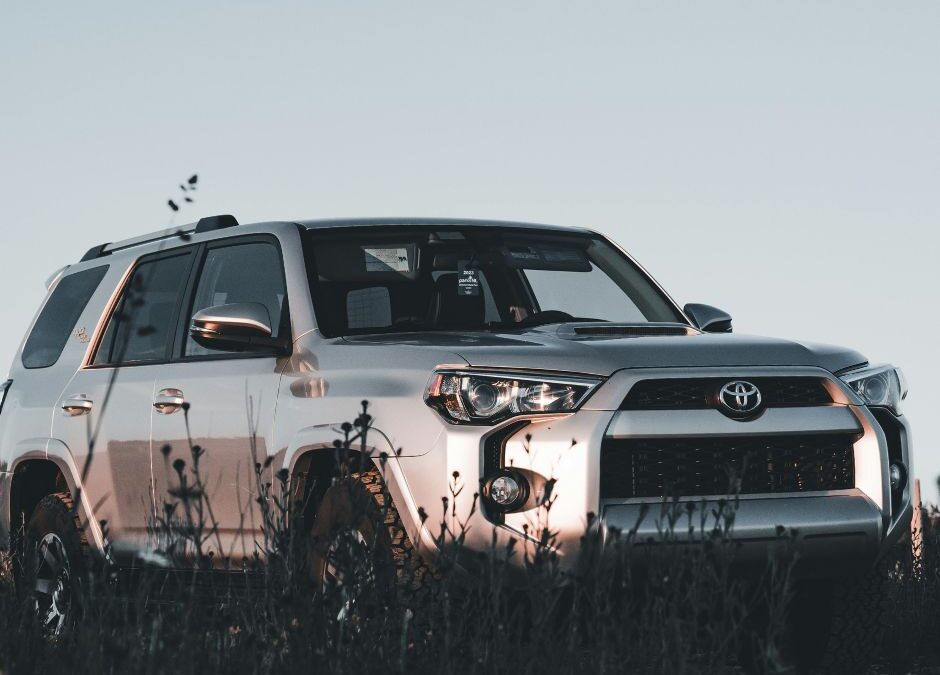
If you drive a Toyota around Bellingham, a failing water pump can go from a minor cooling-system concern to a much bigger problem faster than you might expect.
Maybe you notice a small coolant spot after parking overnight near downtown Bellingham. Perhaps your temperature gauge starts climbing while heading east on Mount Baker Highway. Or maybe your Corolla, RAV4, Prius, Tacoma, or Highlander develops a whining sound that seems to be coming from the engine bay.
Those symptoms are worth paying attention to.
Schedule your appointment today
A Toyota water pump failure can reduce coolant circulation and eventually cause the engine to overheat. Once overheating begins, the risk of more serious engine damage rises quickly.
For Bellingham and Whatcom County drivers, understanding the early warning signs can help you catch the problem before a routine repair turns into a much larger one.
If your Toyota is already losing coolant or running hotter than normal, schedule an inspection with Bruce Cox Auto Service & Repair before the problem has a chance to get worse.
What Does a Toyota Water Pump Do?
Your Toyota produces a significant amount of heat whenever the engine is running.
The cooling system manages that heat by moving coolant through the engine and radiator. The water pump keeps that coolant circulating.
Depending on the Toyota model and engine, the pump may be mechanically driven or electrically powered. In either case, the purpose is the same: maintain proper coolant flow so the engine stays within its intended operating temperature.
When the pump starts to fail, coolant circulation can become inconsistent.
That is when overheating becomes a real concern.
If overheating has already become part of the problem, learn more about engine repair and diagnostics in Bellingham.
How Long Does a Toyota Water Pump Last?
There is no single replacement interval that applies to every Toyota water pump.
Some pumps last well beyond 100,000 miles. Others may develop leaks, bearing wear, or electrical problems earlier.
Lifespan can depend on:
- Toyota model and engine
- Water pump design
- Cooling-system maintenance
- Coolant condition
- Driving habits
- Vehicle age
- Mileage
- Previous overheating events
For drivers searching for a Toyota mechanic in Bellingham, mileage is only part of the picture.
A higher-mileage Toyota that has been well maintained may still have a healthy water pump. Meanwhile, another vehicle with fewer miles could develop a leak or bearing problem sooner.
That is why inspection and diagnosis matter more than replacing the pump based on mileage alone.
Bruce Cox provides Toyota service and repair in Bellingham for everything from routine maintenance to more involved mechanical concerns.
Signs of Toyota Water Pump Failure
Toyota water pumps can fail in several different ways. Fortunately, many failures provide warning signs before complete loss of cooling-system performance.
1. Coolant Under Your Toyota
A coolant leak is one of the more common signs of water pump trouble.
The pump contains seals designed to keep coolant inside the cooling system. As those seals wear, coolant may begin escaping around the pump.
You may notice:
- A small puddle beneath the vehicle
- Dried coolant residue near the engine
- A sweet smell after driving
- A gradually dropping coolant level
However, not every coolant leak comes from the water pump.
Hoses, radiators, reservoirs, thermostat housings, and other cooling-system components can also leak.
For that reason, a good Bellingham mechanic should identify the actual source before recommending a water pump replacement.
2. Your Toyota Is Running Hot
An overheating engine is the symptom you should take most seriously.
If the water pump cannot circulate enough coolant, engine temperatures can increase rapidly.
You may notice the temperature gauge moving higher than normal while driving around Bellingham, sitting in traffic, climbing toward Sudden Valley, or heading east into the foothills.
If the temperature warning light appears or the gauge moves into the hot range, continuing to drive can lead to serious engine damage.
Pull over somewhere safe and shut the engine down.
If your Toyota has already overheated, schedule service with Bruce Cox Auto Service & Repair instead of continuing to drive and risking additional engine damage.
3. Whining, Grinding, or Rumbling From the Engine Bay
Some Toyota water pumps use bearings that can wear over time.
As those bearings deteriorate, you may hear:
- Whining
- Grinding
- Rumbling
- Chirping
The challenge is that several components in the same area can create similar noises.
Belt tensioners, idler pulleys, alternators, and air-conditioning components can all produce sounds that resemble water pump failure.
That is another reason proper diagnosis is important.
4. You Keep Adding Coolant
If you regularly need to top off your Toyota’s coolant, something is wrong.
A slow leak may not leave a noticeable puddle underneath the vehicle. Coolant can drip onto warm engine components and evaporate before it reaches the pavement.
If your Toyota keeps losing coolant while commuting through Bellingham or driving around Whatcom County, have the system inspected before the leak becomes more severe.
5. The Temperature Gauge Is Fluctuating
A cooling-system problem does not always cause immediate overheating.
Sometimes the first sign is an inconsistent temperature gauge.
Your Toyota may operate normally during one drive and run noticeably warmer during another.
Possible causes include:
- Water pump problems
- Low coolant
- Thermostat failure
- Air trapped in the cooling system
- Cooling fan issues
- Sensor faults
- Radiator problems
The symptoms overlap, so diagnostics matter.
Why Bellingham Driving Conditions Matter
Bellingham may not experience the extreme temperatures found in hotter parts of the country, but local driving can still place meaningful demands on your Toyota’s cooling system.
A short commute through town is very different from climbing east toward Mount Baker or driving through Whatcom County with a loaded vehicle.
Local Toyota drivers regularly encounter:
- Steep grades
- Longer uphill drives
- Stop-and-go traffic
- Cold morning starts
- Seasonal temperature changes
- Extended highway driving on I-5
- Trips into the foothills and mountains
A cooling system that seems fine during a five-minute drive through town may behave very differently on a longer climb.
That is why cooling-system problems sometimes appear intermittently.
Your Toyota may feel completely normal around Fairhaven and then start running hotter during a longer trip outside Bellingham.
What Causes Toyota Water Pump Failure?
Water pumps operate whenever the engine is running, so they can experience thousands of hours of use over the life of a vehicle.
Eventually, internal components can wear.
Common causes of failure include:
- Worn seals
- Bearing deterioration
- Electric motor failure
- Impeller wear
- Coolant contamination
- Improper coolant
- Belt-related stress on mechanical pumps
- Age and mileage
Keeping up with cooling-system maintenance can help reduce unnecessary wear.
For Bellingham Toyota owners, that means treating coolant service as an important part of routine car maintenance, not something to think about only after the engine begins overheating.
How Much Does Toyota Water Pump Replacement Cost?
Toyota water pump replacement costs vary significantly.
The pump on one Toyota may be relatively easy to access. On another model, technicians may need to remove several components before reaching it.
Cost depends on factors such as:
- Toyota model
- Model year
- Engine configuration
- Water pump location
- Mechanical or electric pump design
- Labor required
- Additional cooling-system repairs
- Related components that need attention
That means a Corolla, Prius, Tacoma, RAV4, Highlander, and Sienna can all have very different repair requirements.
If you’re searching for Toyota repair in Bellingham, an accurate diagnosis is more valuable than a generic online estimate.
Bruce Cox Auto Service & Repair provides dedicated Toyota repair and maintenance in Bellingham, including diagnostics for engine and cooling-system concerns.
A Coolant Leak Does Not Always Mean Water Pump Failure
This is one of the most important things Toyota owners should understand.
Coolant loss does not automatically mean the water pump has failed.
Neither does overheating.
Other possible causes include:
- Radiator leaks
- Damaged coolant hoses
- Thermostat problems
- Expansion tank issues
- Cooling fan failures
- Sensor problems
- Loose connections
- Heater core leaks
Modern Toyota hybrids can add even more complexity because some models use multiple coolant circuits and electric pumps.
If your Prius or other Toyota hybrid is losing coolant or showing temperature-related warnings, guessing can become expensive quickly.
A qualified Toyota mechanic in Bellingham can test the system and determine what is actually failing.
If the symptoms are pointing toward a larger engine issue, Bruce Cox also offers engine diagnostics and engine repair in Bellingham.
Can You Drive With a Failing Toyota Water Pump?
If your Toyota is overheating, continuing to drive is risky.
A small coolant leak may not cause immediate problems. However, cooling-system failures can worsen unexpectedly.
Once coolant circulation becomes inadequate, the engine temperature can rise quickly.
Driving an overheating Toyota can damage:
- Head gaskets
- Cylinder heads
- Engine seals
- Internal engine components
That can turn a cooling-system repair into a major engine repair.
If your Toyota starts overheating on I-5, Lakeway Drive, Mount Baker Highway, or anywhere around Whatcom County, find a safe place to stop.
If you are unsure whether the vehicle is safe to drive, contact the shop before attempting to continue.
Toyota Repair for Bellingham and Whatcom County Drivers
Toyota vehicles are everywhere in Bellingham for a reason.
Corollas and Camrys make dependable commuters. RAV4s and Highlanders fit Pacific Northwest lifestyles well. Tacomas are common for work and recreation. Prius models remain popular with drivers looking for efficient transportation.
But reliability still depends on maintenance.
Cooling-system problems are easier to manage when they are caught early.
Bruce Cox Auto Service & Repair has served Bellingham drivers since 1995 and provides Toyota service and repair for Bellingham, Ferndale, Lynden, and the surrounding area.
Their ASE-certified technicians can inspect the cooling system, determine whether the water pump or another component is responsible, and recommend the appropriate repair.
Looking for a Toyota Mechanic in Bellingham?
A small coolant leak is much easier to deal with than an overheated engine.
If your Toyota is losing coolant, running hotter than normal, or showing signs of water pump trouble, now is the time to have it inspected.
Schedule your Toyota service with Bruce Cox Auto Service & Repair in Bellingham.
Bruce Cox is located at 1831 N State Street in Bellingham and has served local drivers since 1995. Whether you’re commuting through town, heading north toward Ferndale, or driving east toward the mountains, the goal is simple: diagnose the problem early and keep your Toyota dependable.