 1831 N State St
Your brakes begin squeaking, the pedal feels different, or stopping takes more effort. You may wonder whether the pads need replacement or something else is wrong.
Recognizing the signs you need new brake pads can help prevent rotor and caliper damage. However, brake noise alone does not confirm that the pads have worn out.
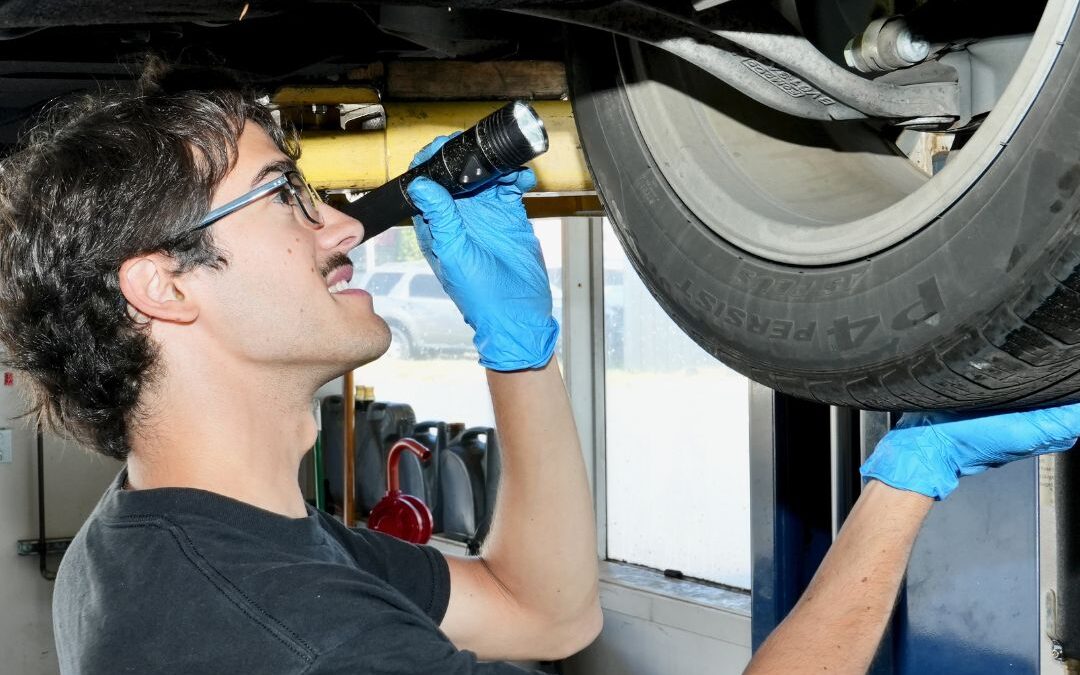
At Bruce Cox Imports, we inspect the entire braking system before recommending replacement. That means checking the pads, rotors, calipers, hardware, hoses, and brake fluid.
Schedule a brake inspection today
Why Brake Pads Wear in Bellingham Driving Conditions
Hills Turn Braking Energy Into Heat
Brake pads press against the rotors to slow your car. Friction converts the vehicle’s movement into heat.
Bellingham’s hills require frequent braking, especially in stop-and-go traffic. Descending Chuckanut or returning from Mount Baker can create even more heat.
That heat gradually wears the friction material. Heavy loads, aggressive braking, and riding the pedal can accelerate the process.
Using a lower gear on long descents can reduce brake demand. Still, existing noises or braking changes deserve an inspection.
Moisture Can Restrict Brake Components
Bellingham’s wet weather exposes brake rotors, caliper slides, and hardware to moisture. Light surface rust on the rotors may develop overnight.
That rust usually clears after several normal stops. Persistent grinding, pulling, or scraping suggests a different concern.
Corrosion can restrict caliper slides and prevent the pads from moving freely. As a result, the inner and outer pads may wear at different rates.
Driving Habits Change Pad Life
Brake pads do not have one universal replacement interval. Their lifespan depends on the vehicle, pad material, road conditions, and driving habits.
A Honda used for short city trips may wear its brakes differently than a Subaru driven mostly on I-5. A loaded Toyota traveling to trailheads creates another wear pattern.
Hybrid and electric vehicles often use regenerative braking to slow down. This may extend pad life, but low use can allow corrosion to develop on rotors and hardware.
Signs You Need New Brake Pads
The Wear Indicator Starts Squealing
Many brake pads have a metal wear indicator. It contacts the rotor when the friction material reaches a certain thickness.
This contact creates a high-pitched squeal intended to alert the driver. The noise may appear consistently or only during braking.
Not every squeal means the pads are worn. Moisture, glazing, debris, pad composition, or restricted hardware can create similar noises.
You Hear Grinding While Braking
Grinding may mean the friction material has worn away, allowing metal to contact the rotor. That can damage the rotor quickly.
A stone, rust ridge, backing plate, or failed component may also create scraping. The source must be inspected before deciding on repairs.
Do not continue driving when grinding comes with reduced braking or severe pulling. Arrange a tow if the vehicle does not stop predictably.
The Brake Warning Light Appears
Some vehicles use electronic pad-wear sensors. When the pad reaches its limit, the sensor triggers a dashboard warning.
The sensor may require replacement along with the pads. Procedures vary among Audi, BMW, Mercedes-Benz, VW, and other makes.
An ABS or red brake warning light can indicate a different problem. Possible causes include low brake fluid, hydraulic faults, or wheel-speed sensor concerns.
Stopping Performance Changes
Worn or overheated pads may require more pedal effort. The car may also feel less responsive during repeated stops.
However, reduced braking can involve more than pad thickness. Contaminated pads, restricted calipers, glazed rotors, or hydraulic problems can cause similar symptoms.
Any noticeable loss of braking performance deserves prompt attention.
One Wheel Produces Excessive Dust
Some brake dust is normal. A sudden increase at one wheel may point toward a sticking caliper or pad wearing faster than expected.
Compare similar wheels on the same axle. A major difference provides useful diagnostic information.
A hot wheel, burning smell, or pulling may accompany a dragging brake. Stop driving if the condition becomes severe.
The Pads Look Thin
Pad thickness can sometimes be viewed through the wheel. However, the visible outer pad does not show the complete story.
The inner pad may wear faster when the caliper slides or piston do not move correctly. That pad can be difficult to inspect without removing the wheel.
Manufacturers also specify different wear limits. We measure the pads and compare their condition across each axle.
Shop Note: Replacing pads based only on the visible outer pad can miss severe inner-pad wear. Both sides must be inspected.
The Bruce Cox Imports Brake Inspection and Replacement Process
Our process begins with your description. We ask about noises, pedal feel, pulling, vibration, and the conditions that trigger the concern.
Next, we inspect and measure the braking components. A complete brake repair inspection may include:
- Measuring the inner and outer brake pads
- Inspecting the rotors for scoring, cracks, and heat damage
- Measuring rotor thickness and variation
- Checking caliper slides, pistons, boots, and hardware
- Inspecting brake hoses and visible lines
- Checking brake fluid level and condition
- Looking for leaks or contamination
- Checking wheel bearings and nearby suspension parts
- Scanning the ABS or brake system when needed
- Road-testing the vehicle before and after service
Brake pads on the same axle are normally replaced together. This helps maintain balanced braking between the left and right wheels.
Rotor condition determines whether replacement or another correction is appropriate. A rotor must remain above its minimum thickness and meet specifications after any machining.
Some vehicles also require an electronic parking brake service mode. Attempting to force those calipers back mechanically can damage the system.
Schedule your brake pad inspection
Do Brake Rotors Need Replacement With the Pads?
Not every brake pad replacement automatically requires new rotors. However, the rotors must meet thickness, surface, and runout specifications.
Deep scoring, cracks, severe rust, heat damage, or excessive variation may require replacement. A rotor below its minimum thickness cannot safely remain in service.
Installing pads against a damaged rotor can create noise, vibration, uneven contact, or poor bedding. It may also shorten the life of the new pads.
The decision should come from measurements rather than appearance alone. We explain what we find before recommending pads, rotors, or related repairs.
The Quick Fix Filter
A “pad slap” replaces brake pads without properly evaluating the rest of the system. It may reduce noise briefly while leaving the underlying cause untouched.
For example, a sticking caliper can overheat and destroy new pads. Corroded hardware may prevent them from releasing correctly.
Cheap friction materials can also create excessive noise, dust, or inconsistent braking. The correct pad should match the vehicle and expected use.
Replacing rotors without cleaning the hub surfaces creates another risk. Rust or debris behind the rotor can cause lateral runout and pedal pulsation.
Wheel fasteners also require correct, even torque. Poor installation can contribute to brake concerns and make future service more difficult.
The right repair addresses why the pads wore. It does more than install new friction material.
What Bellingham Drivers Should Watch For
Arrange a brake inspection when you notice:
- Squealing that continues after several stops
- Grinding or metal-on-metal sounds
- A brake pad warning message
- An ABS or red brake warning light
- Longer stopping distances
- Pulling while braking
- Vibration through the pedal or steering wheel
- A burning smell after normal driving
- One wheel producing much more brake dust
- A wheel that feels unusually hot
- A soft, low, or sinking brake pedal
- Visible fluid near a wheel
- Uneven pad wear
Brake noise may provide the first warning, but measurement determines what your car actually needs.
When to Schedule Brake Service
Schedule Soon
Schedule an inspection for recurring squealing, visible pad wear, increased brake dust, or a brake pad warning. Addressing wear early may protect the rotors and reduce repair costs.
Brake condition can also be checked during scheduled maintenance.
Stop Driving and Call a Shop
Stop driving for major braking loss, grinding with poor stopping, or a pedal that sinks toward the floor. Fluid leaks, smoke, or severe pulling also require immediate caution.
Arrange a tow when the vehicle cannot stop safely or predictably.
Mention It at Your Next Maintenance Visit
Mention light noises, small changes in pedal feel, or increased brake dust during your next visit. Early inspection helps us monitor wear before it becomes urgent.
Ask for the measured pad thickness rather than a vague percentage. Measurements make future service planning clearer.
Ready for clear answers about your brakes?
Frequently Asked Questions
What are the most common signs you need new brake pads?
Common signs you need new brake pads include persistent squealing, grinding, reduced stopping performance, and a pad-wear warning. One wheel may also produce excessive dust. Since caliper and rotor problems can cause similar symptoms, the complete brake system should be inspected.
How long do brake pads usually last?
Brake pad life depends on the vehicle, pad material, driving habits, and road conditions. Hills and stop-and-go traffic usually increase wear. Hybrid regenerative braking may extend pad life. Regular measurement provides a more reliable replacement plan than mileage alone.
How much does brake pad replacement cost in Bellingham?
Cost depends on the vehicle, pad type, rotor condition, hardware, and labor required. A basic pad replacement differs from a repair involving rotors or calipers. An inspection allows the shop to measure each component and prepare an estimate for the correct work.
Schedule Brake Pad Replacement in Bellingham
Brake pads wear gradually, but their symptoms can appear suddenly. The safest repair begins by checking the complete system and identifying why the wear occurred.
At Bruce Cox Imports, we measure the pads, inspect the rotors and calipers, and explain the findings clearly. Schedule your brake inspection for honest recommendations and quality brake service in Bellingham.