 1831 N State St

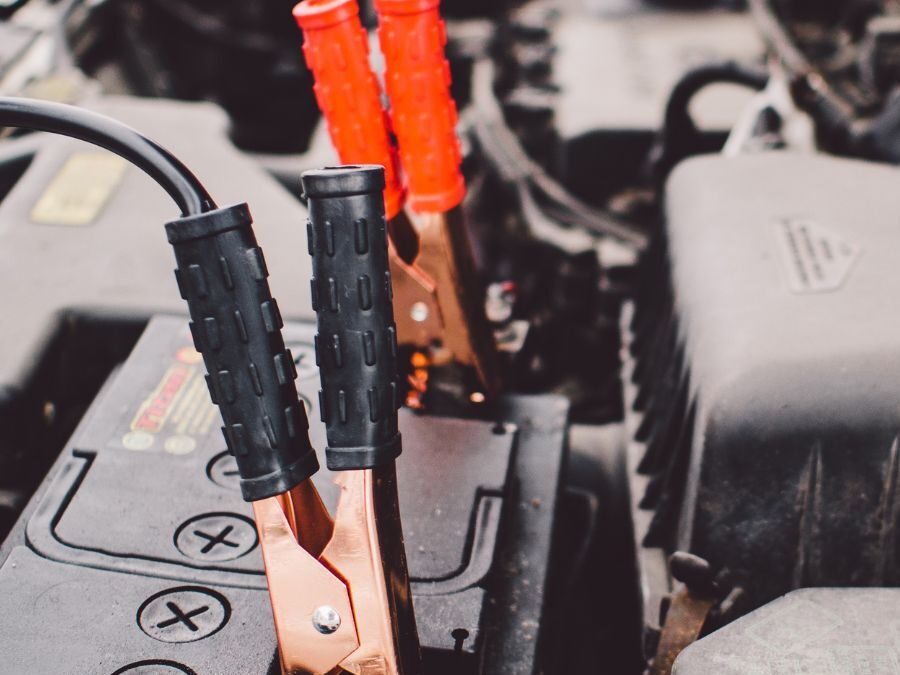
You turn the key and hear a slow crank or a single click. After a jump-start, the car runs normally, but the same problem returns a few days later.
When a car battery keeps dying, replacing the battery may seem like the obvious answer. However, the battery could be discharged because of a weak alternator, poor connection, electrical draw, or repeated short trips.
At Bruce Cox Imports, we test the complete starting and charging system. That tells us whether the battery has failed or another problem is preventing it from staying charged.
Schedule a battery and charging system test
Why Your Car Battery Keeps Dying in Bellingham
Short Trips Do Not Fully Restore the Battery
Starting an engine requires a large burst of electrical current. The alternator must replace that energy while also powering the vehicle’s electrical systems.
A short drive across Bellingham may not provide enough charging time. Heated seats, headlights, wipers, defrosters, and climate controls increase the electrical load.
As a result, the battery can lose a little charge with each trip. Eventually, it may not have enough energy to start the engine.
Cold Mornings Expose an Aging Battery
Cold temperatures reduce the amount of power a battery can deliver. At the same time, cold engine oil increases the effort required from the starter.
This combination often exposes a battery that was already losing capacity. The battery may have started normally during warmer weather before struggling on the first cold morning.
A jump-start does not restore lost battery capacity. It only provides enough outside power to start the engine.
Moisture and Corrosion Restrict Current Flow
Bellingham’s damp conditions can contribute to corrosion around battery terminals, cable connections, grounds, and electrical connectors.
Corrosion creates resistance. That resistance can reduce current to the starter or prevent the alternator from charging the battery correctly.
A cable may look acceptable from the outside while corrosion develops inside the terminal or under the insulation. Voltage-drop testing helps locate resistance that a visual inspection may miss.
Shop Note: A battery can test low because it has failed or because another problem discharged it. Those situations require different repairs.
What Can Drain a Car Battery?
Several problems can produce the same dead-battery symptom.
An Aging or Damaged Battery
Automotive batteries lose capacity with age and use. Internal plate damage, repeated deep discharge, and temperature changes can shorten service life.
A voltage reading alone does not show how the battery will perform during starting. The battery must also be evaluated under an appropriate load or with a conductance test.
A Weak Alternator
The alternator supplies electrical power while the engine runs and recharges the battery. A worn alternator may charge intermittently or fail under higher electrical demand.
Modern charging systems can vary their output based on operating conditions. Because of this, one quick voltage reading may not provide the full answer.
Corroded Cables or Loose Grounds
Electrical current needs a clean path from the battery to the starter, alternator, body, and engine. Loose or corroded connections interrupt that path.
The car may crank slowly even when the battery itself is healthy. Poor connections may also generate heat and create intermittent starting problems.
A Parasitic Electrical Draw
Some electrical current is normal after the vehicle is turned off. Memory functions, security systems, and control modules require a small amount of power.
A problem develops when a module, light, relay, or accessory continues drawing excessive current. The battery may then discharge while the car sits overnight or over a weekend.
Common sources can include:
- A glove box, trunk, or vanity light that remains on
- A relay that does not switch off
- An aftermarket alarm or stereo
- A dash camera wired to constant power
- A control module that does not enter sleep mode
- Damaged wiring or moisture inside a connector
Finding a parasitic draw requires measurement and circuit isolation. Guessing at parts rarely identifies it efficiently.
The Bruce Cox Imports Electrical Diagnostic Process
Schedule your electrical inspection
We begin by asking how often the battery dies and how long the vehicle sits. We also want to know whether the problem began after a repair, battery replacement, or accessory installation.
Next, we inspect and test the starting and charging system. Our process may include:
- Checking the battery’s age and physical condition
- Measuring its state of charge
- Performing a battery load or conductance test
- Inspecting terminals, cables, and grounds
- Testing alternator output under electrical load
- Measuring voltage drop across major connections
- Checking starter current when needed
- Scanning control modules for related faults
- Measuring key-off electrical draw
- Isolating the circuit responsible for an excessive draw
Parasitic-draw testing requires the vehicle’s electronic systems to shut down normally. Opening a door, waking a module, or testing too soon can produce misleading readings.
Some European vehicles also require battery registration or programming after replacement. This allows the charging system to account for the new battery’s type and capacity.
Our auto electrical repair service focuses on proving the cause before replacing the battery, alternator, starter, or wiring.
The Quick Fix Filter
Replacing the battery is not a complete diagnosis when the problem keeps returning. A new battery will also discharge if the alternator, cables, or another electrical circuit remains faulty.
Replacing the alternator based only on a battery warning light creates a similar risk. Wiring faults, belt problems, battery condition, and charging-system controls may affect alternator output.
Repeated jump-starts are not a long-term solution. A deeply discharged battery may require controlled charging before it can be tested accurately.
Disconnecting a battery cable while the engine runs is an outdated alternator test. It can create voltage spikes and damage electronics in a modern vehicle.
The right approach is to test the system in a logical order. That protects expensive modules and prevents a parts-swapping cycle.
What Bellingham Drivers Should Watch For
Schedule an inspection if you notice:
- Slow cranking during startup
- Clicking without the engine turning
- Repeated need for a jump-start
- Dim or flickering headlights
- A battery or charging warning light
- Electrical features that operate slowly
- Starting trouble after the car sits
- Corrosion around the battery terminals
- A burning smell near electrical components
- A battery case that looks swollen or damaged
- The engine stalling after a jump-start
- Problems that appear during wet weather
If a replacement battery keeps going dead, another part of the starting, charging, or electrical system may be responsible.
When to Schedule Service
Schedule Soon
Book an appointment for slow cranking, repeated jump-starts, dim lights, or a battery that loses charge while parked. Testing the system early may prevent an unexpected no-start.
Battery and cable condition can also be checked during scheduled maintenance.
Stop Driving and Call a Shop
Stop safely if you smell burning, see smoke, or notice melting around a cable or electrical component. A charging warning light followed by multiple system warnings may indicate the vehicle is losing electrical power.
The engine could shut off once the battery becomes depleted. Arrange a tow when the car cannot be driven reliably.
Mention It at Your Next Maintenance Visit
Mention a slightly slower start, occasional flickering light, or recent jump-start during your next service. An early battery and charging test can reveal declining performance before the vehicle leaves you stranded.
Ready to find out why the battery keeps dying?
Frequently Asked Questions
Why does my car battery keep dying?
Your car battery may keep dying because the battery is worn, the alternator is weak, or a cable connection has excessive resistance. An electrical component may also remain active while the car is parked. Testing is needed to distinguish among these causes.
Can short trips drain a car battery?
Yes. Starting requires substantial battery power, and short trips may not give the alternator enough time to replace it. Headlights, wipers, defrosters, and heated seats increase demand. Several short drives can gradually leave a marginal battery without enough charge to start.
How much does battery diagnosis cost in Bellingham?
Cost depends on the testing required and the vehicle’s electrical system. Basic battery and charging tests differ from tracing an intermittent parasitic draw. An inspection helps identify whether the vehicle needs a battery, alternator, cable repair, or deeper circuit diagnosis.
Schedule Battery and Electrical Service in Bellingham
A dead battery does not always mean you need another battery. At Bruce Cox Imports, we test the battery, alternator, cables, starter, and key-off electrical draw as needed.
Schedule your electrical diagnostic appointment in Bellingham. We will identify the cause, explain the results, and recommend the repair your vehicle actually needs.