 1831 N State St

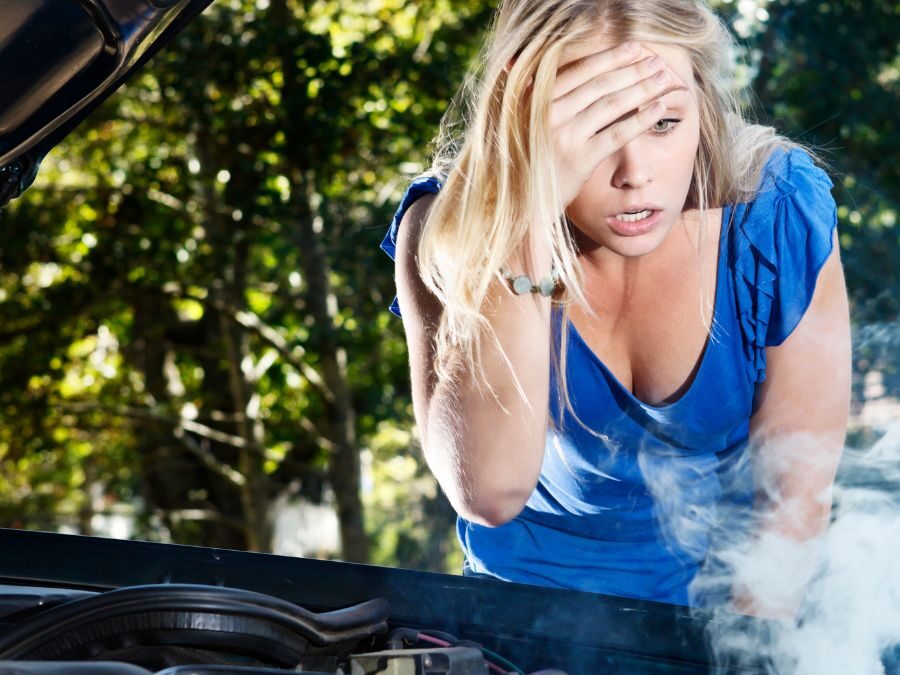
The temperature gauge begins climbing, steam appears near the hood, or a warning message tells you to stop. An overheating engine can become expensive quickly.
When a car is overheating, the cooling system is no longer controlling engine temperature. The cause may be a leak, failed thermostat, cooling fan problem, damaged water pump, or internal engine issue.
Continuing to drive can damage cylinder heads, head gaskets, and other engine components. At Bruce Cox Imports, we recommend shutting the engine off before excess heat turns a cooling system repair into major engine work.
Schedule a cooling system inspection
Why Cars Overheat in Bellingham Driving Conditions
Traffic Reduces Airflow Through the Radiator
Air must move through the radiator to carry heat away from the coolant. At road speed, vehicle movement provides much of that airflow.
In stop-and-go traffic, electric cooling fans become more important. A failed fan motor, relay, fuse, sensor, or control circuit can allow the temperature to rise while the vehicle sits.
A car that overheats in traffic but cools down on the highway may have an airflow problem. That pattern provides useful information, but testing is still required.
Hills Increase Engine Load
Climbing Alabama Hill, heading toward Mount Baker, or carrying gear up a long grade creates additional engine heat. A healthy cooling system should manage that load.
However, a restricted radiator, weak water pump, low coolant level, or partially opening thermostat may struggle during a climb. The temperature may return to normal after the load decreases.
That does not mean the problem has corrected itself. It means the cooling system may be operating close to its limit.
Small Leaks Can Be Difficult to See
A minor coolant leak may evaporate on a hot engine before reaching the ground. Wet Bellingham pavement can also make a small drip harder to notice.
Coolant may escape from a hose, radiator seam, reservoir, water pump, thermostat housing, heater core, or gasket. A weak pressure cap can also allow coolant to escape at a lower pressure.
As the level drops, air enters the system. Air pockets reduce coolant circulation and can create sudden temperature changes.
Shop Note: An empty coolant reservoir tells us coolant went somewhere. Filling it may help with testing, but it does not explain or repair the loss.
What Causes a Car to Overheat?
Coolant Leaks
Coolant absorbs heat from the engine and carries it to the radiator. When the system loses coolant, it cannot move heat effectively.
Some leaks appear only when the system becomes hot and pressurized. That is why a cold visual inspection may not reveal the problem.
A Stuck Thermostat
The thermostat controls coolant flow based on engine temperature. If it remains closed, hot coolant cannot circulate through the radiator correctly.
A thermostat can also open only partially. The car may then overheat during hills, highway driving, or other higher-load conditions.
Cooling Fan Failure
Electric cooling fans pull air through the radiator at low speeds. A mechanical, electrical, or control problem can prevent them from operating.
Turning on the air conditioning may command fan operation on many vehicles. However, fan strategy varies by make and model, so proper scan and circuit testing matter.
Water Pump Problems
The water pump circulates coolant through the engine, radiator, and heater core. A damaged impeller, leaking seal, worn bearing, or failed drive mechanism can reduce circulation.
Some water pumps are driven by the timing belt or timing chain system. Repair planning must account for the engine’s design.
A Restricted Radiator
Internal deposits can reduce coolant flow through the radiator. Bent fins, debris, or corrosion may also restrict airflow across its exterior.
The radiator may still look acceptable while temperature testing reveals uneven heat distribution.
Head Gasket or Internal Engine Problems
Combustion gases can enter the cooling system through a failed head gasket or damaged engine component. This may create pressure, bubbles, coolant loss, and repeated overheating.
A Subaru with cooling system pressure does not automatically need head gaskets. External leaks, trapped air, caps, fans, thermostats, and other causes should be tested first.
When testing confirms an internal issue, our engine repair service can help determine the appropriate next step.
The Bruce Cox Imports Overheating Diagnostic Process
We begin by asking when the engine overheats. Traffic, highway speed, hills, air conditioning use, and outside temperature can change the symptom.
Next, we inspect the cooling system after it has cooled safely. Opening a pressurized system while hot can release boiling coolant and cause serious burns.
Our diagnostic process may include:
- Checking the coolant level and condition
- Inspecting hoses, the radiator, reservoir, and water pump
- Pressure-testing the cooling system
- Testing the pressure cap
- Scanning for codes and temperature data
- Checking cooling fan operation
- Evaluating thermostat operation
- Looking for restricted coolant flow or airflow
- Testing for combustion gases when appropriate
- Confirming the repair with a road test
Cooling systems must also be filled and bled correctly after service. Trapped air can interrupt circulation and cause another overheating event.
Different vehicles require different filling procedures. That is especially important on engines with complicated coolant passages or components positioned above the radiator.
Have the cause diagnosed before driving farther
The Quick Fix Filter
Adding coolant is not a complete repair when the system is leaking. The level may drop again without warning.
The correct coolant also matters. Coolants use different additive packages, and mixing incompatible products can reduce protection or create deposits.
Cooling system stop-leak products may appear convenient. However, sealers can restrict small passages in radiators, heater cores, and other components.
Replacing the thermostat without testing the system is another common guess. The true cause may be a fan circuit, leak, water pump, pressure cap, or internal engine problem.
Repeated overheating after parts replacement often points to an incomplete diagnosis or improper bleeding. Testing the complete system is usually less expensive than continuing to guess.
What Bellingham Drivers Should Watch For
Cooling system warning signs include:
- A rising temperature gauge
- A red temperature warning light
- Steam from under the hood
- A sweet coolant smell
- Coolant under the vehicle
- Repeatedly low coolant
- No cabin heat while the engine is hot
- Heater temperature changing unexpectedly
- Cooling fans running unusually often
- Gurgling behind the dashboard
- Bubbles in the coolant reservoir
- White exhaust smoke after the engine warms
- Rough running after an overheating event
If the temperature continues rising, pull over safely and shut the engine off. Do not wait for steam to appear.
When to Schedule Cooling System Service
Stop Driving and Arrange a Tow
Stop immediately when the gauge enters the hot range or a temperature warning directs you to shut down. Heavy steam, major coolant loss, or rough running also calls for a tow.
Do not open the radiator or coolant cap while the engine is hot. The system may remain pressurized after shutdown.
Schedule Service Soon
Book an inspection for small coolant leaks, recurring coolant loss, a sweet smell, or cooling fans that run more than usual. These symptoms may appear before the engine overheats.
A small leak often provides more repair options when found early.
Mention It During Routine Maintenance
Mention occasional coolant odors, changing heater output, or a slowly dropping reservoir level during scheduled maintenance.
Coolant condition, hose wear, and visible seepage can be checked before a longer I-5 commute or mountain trip.
Schedule your cooling system service today
Frequently Asked Questions
What should I do when my car is overheating?
Pull over safely and shut the engine off. Do not open the cooling system while it is hot or pressurized. Steam, major coolant loss, or a gauge in the hot range calls for a tow. Continuing to drive may cause severe engine damage.
Why does my car overheat only in traffic?
Overheating in traffic may point toward inadequate airflow through the radiator. Possible causes include a failed cooling fan, relay, fuse, sensor, or control circuit. Low coolant and other cooling system problems can produce similar symptoms, so the system still requires testing.
How much does overheating repair cost in Bellingham?
Cost depends on the confirmed cause, vehicle, parts, and labor. A hose or pressure cap repair differs greatly from water pump or head gasket work. A cooling system inspection allows the shop to locate the problem and provide an accurate repair estimate.
Schedule Overheating Diagnosis in Bellingham
An overheating engine needs more than another bottle of coolant. The leak, circulation problem, airflow fault, or internal engine concern must be identified.
At Bruce Cox Imports, we pressure-test and inspect the cooling system before recommending repairs. Schedule an appointment so we can explain what failed and help protect your engine from further heat damage.