 1831 N State St

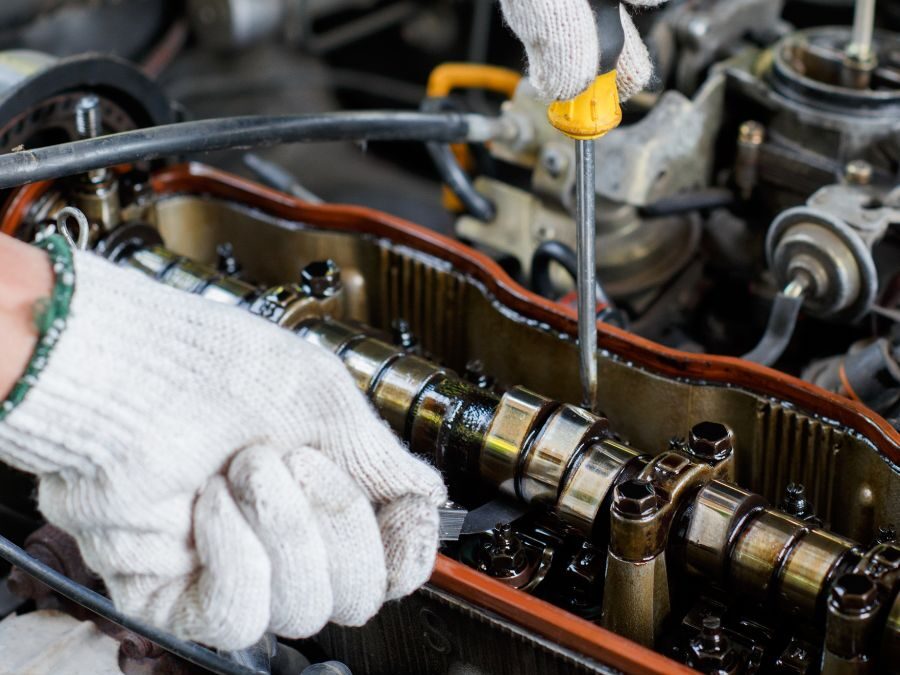
Your engine develops a light ticking sound. The idle feels slightly rougher than it used to. Maybe nothing feels obviously wrong at all, but your maintenance schedule says it’s time to inspect the valve clearance.
Unlike oil changes or brake service, valve clearance adjustment is one of those maintenance items many drivers never hear about until their vehicle actually needs it.
On engines that use adjustable valve clearances, the small gap between components in the valvetrain needs to remain within a specific range. If that clearance becomes too loose or too tight, engine performance, noise, and eventually component life can be affected.
The important part is knowing whether your engine actually requires valve-clearance inspection or adjustment in the first place.
Schedule Your Engine Service in Bellingham
If your maintenance schedule calls for a valve-clearance inspection, your engine is ticking, or you’ve noticed changes in idle or performance, Bruce Cox Auto Service & Repair can determine whether the valves actually need adjustment.
What Is Valve Clearance?
Inside your engine, valves open and close to control the movement of air, fuel, and exhaust gases.
The camshaft and valvetrain components operate those valves thousands of times every minute.
On engines with adjustable valve lash, engineers specify a small amount of clearance between certain valvetrain components.
That gap matters because engine components expand as they heat up.
Too much clearance and the valvetrain may become noisy or operate less efficiently.
Too little clearance and a valve may not fully close when the engine reaches operating temperature.
The correct specification is very small and varies by engine.
That’s why valve clearance isn’t something that should be adjusted by sound or guesswork.
Does Every Car Need a Valve Clearance Adjustment?
No.
This is one of the most important distinctions.
Some engines use hydraulic valve lifters or other systems that automatically compensate for changes in clearance.
Other engines use mechanical adjustment systems that require periodic inspection or adjustment.
Even within the same manufacturer, requirements can vary by:
- Model
- Model year
- Engine
- Valvetrain design
- Maintenance schedule
For example, some Honda engines include valve-clearance inspection as part of their scheduled maintenance.
That doesn’t mean every Honda needs an adjustment at the same mileage, and it definitely doesn’t mean every vehicle on the road requires this service.
Bruce Cox provides Honda service and scheduled maintenance in Bellingham based on the requirements of the specific vehicle rather than applying one maintenance package to every engine.
What Are the Signs of Incorrect Valve Clearance?
Valve-clearance problems can create symptoms, but the symptoms aren’t always obvious.
Ticking or Tapping From the Engine
Excessive clearance can sometimes produce a noticeable ticking or tapping sound from the top of the engine.
The noise may become more noticeable:
- During cold starts
- At idle
- As engine speed changes
- As the engine accumulates mileage
However, plenty of other components can cause engine ticking.
Fuel injectors, timing components, oil-pressure problems, exhaust leaks, and other mechanical issues can create similar sounds.
A ticking engine doesn’t automatically need a valve adjustment.
Rough Idle
Incorrect valve clearance can affect how efficiently the engine operates.
You may notice:
- Rougher idle
- Engine vibration
- Inconsistent running
- Changes in performance
Again, those symptoms have many possible causes.
Ignition problems, vacuum leaks, fuel delivery, carbon buildup, and sensor faults can all create similar behavior.
If the engine is running poorly, proper engine diagnostics in Bellingham can help separate a valve-clearance issue from another engine problem.
Loss of Power
If valves aren’t opening or closing as intended, engine breathing and combustion can be affected.
The change may be subtle at first.
You might notice the vehicle doesn’t accelerate as strongly as it once did or feels different under load.
But power loss is not specific to valve clearance.
Diagnosis still matters.
Misfires or Check Engine Light
In some cases, valve-clearance problems can contribute to poor combustion or misfires.
Modern vehicles may detect those combustion changes and illuminate the check-engine light.
However, a misfire code doesn’t tell you to adjust the valves.
It tells the technician which cylinder or system needs further investigation.
Why Tight Valves Can Be More Serious Than Noisy Valves
Loose valves tend to attract attention because they can make noise.
Tight valves can be more deceptive.
As valve clearance decreases, the valve may eventually have difficulty seating completely.
A valve needs to fully contact its seat not only to seal the combustion chamber but also to transfer heat.
If a valve cannot seat properly, it can become excessively hot.
Over time, that may contribute to valve or valve-seat damage and loss of compression.
The engine may not give you an obvious ticking warning beforehand.
That’s one reason following the manufacturer’s inspection schedule can matter even when the engine sounds normal.
How Is Valve Clearance Checked?
Valve-clearance inspection is more involved than listening to the engine with the hood open.
The exact procedure depends on the engine, but generally requires access to the valvetrain and measurement of the clearance at specific engine positions.
The engine often needs to be at a specified temperature, commonly cold, so measurements can be compared accurately with manufacturer specifications.
If a clearance is outside specification, the adjustment method depends on the engine design.
Some engines use:
- Adjusting screws
- Shims
- Replaceable buckets
- Other mechanical adjustment systems
That vehicle-specific nature is why a valve clearance adjustment should follow the service information for the exact engine being worked on.
How Often Should Valve Clearance Be Checked?
There is no universal valve-adjustment interval.
Some manufacturers specify an inspection at a particular maintenance interval.
Others recommend inspection under certain conditions or when symptoms appear.
Some engines don’t require routine mechanical valve adjustment at all.
Your owner’s manual or manufacturer maintenance schedule is the correct starting point.
Bruce Cox’s car maintenance checklist for Bellingham drivers includes valve-clearance inspection among the services that may be required depending on the vehicle.
The key phrase is depending on the vehicle.
Don’t pay for valve adjustment simply because a generic maintenance list on the internet says your odometer has reached a certain number.
Honda Valve Clearance Adjustment
Honda is one of the manufacturers commonly associated with valve-clearance maintenance on certain engines.
Depending on the model and engine, the maintenance schedule may call for periodic valve-clearance inspection and adjustment if necessary.
For Honda owners, this makes maintenance history particularly useful.
If you’re buying a higher-mileage Honda or simply don’t know whether the valves have ever been inspected, review the vehicle’s maintenance history against the factory schedule.
That doesn’t mean adjustment is automatically needed.
Inspection determines that.
Bruce Cox has provided Honda repair and maintenance in Bellingham since 1995 and can help determine which maintenance applies to your specific Honda.
Does Bellingham Driving Affect Valve Clearance?
Unlike brakes, tires, or suspension, Bellingham rain isn’t directly wearing out your valve adjustment.
However, how a vehicle is used still matters when evaluating overall engine condition and maintenance.
An engine that has accumulated substantial mileage commuting between Bellingham and surrounding Whatcom County communities has experienced thousands of operating hours and heat cycles.
Likewise, vehicles that spend years making short trips around town can accumulate relatively low mileage despite significant age and repeated cold starts.
That’s why Bruce Cox looks at more than just the odometer.
Vehicle age, mileage, service history, engine design, and manufacturer requirements all matter.
Valve Adjustment Due? Don’t Guess Based on Engine Noise
If your engine is ticking or running differently, schedule an inspection with Bruce Cox Auto Service & Repair.
We’ll determine whether valve clearance is actually involved or whether another engine component is causing the symptom.
Can You Skip a Recommended Valve Clearance Inspection?
Skipping the inspection doesn’t guarantee something will immediately fail.
The concern is that valve clearance can change gradually.
If the clearance becomes too tight, there may not be an obvious noise telling you something is wrong.
If your manufacturer specifically includes valve-clearance inspection in the maintenance schedule, it’s there for a reason.
Following the scheduled inspection gives the technician an opportunity to measure the valves before improper clearance contributes to performance problems or mechanical damage.
This fits into the broader philosophy behind scheduled vehicle maintenance: identify predictable maintenance needs before they become repairs.
How Much Does Valve Clearance Adjustment Cost?
The cost depends heavily on the engine.
Some valve adjustments are relatively straightforward.
Others require additional disassembly, more cylinders, tighter access, or a more involved shim-based adjustment process.
Cost can depend on:
- Vehicle make and model
- Engine configuration
- Number of cylinders
- Adjustment method
- Access to the valve covers
- Parts or gaskets required
- Whether inspection finds additional problems
That’s why a universal valve-adjustment price isn’t particularly useful.
First determine whether your engine requires inspection.
Then determine whether any valves are actually outside specification.
Valve Clearance Adjustment in Bellingham
Valve adjustment isn’t a service every vehicle needs.
For the engines that do require it, though, correct clearance can be an important part of long-term engine maintenance.
Bruce Cox Auto Service & Repair has served Bellingham drivers since 1995 and provides manufacturer-specific maintenance and engine service for import vehicles.
Whether your maintenance schedule calls for a valve inspection, you’ve noticed engine ticking, or you’re trying to catch up on maintenance for a higher-mileage vehicle, we’ll start by determining what your engine actually requires.
Schedule Your Valve Clearance Inspection in Bellingham
If your vehicle is due for valve-clearance inspection or your engine has developed an unusual ticking sound, schedule an appointment with Bruce Cox Auto Service & Repair.
We’ll check the manufacturer requirements, inspect the engine as needed, and determine whether adjustment is actually necessary.
Valve Clearance Adjustment FAQ
What is valve clearance adjustment?
Valve clearance adjustment sets the specified gap between components in an engine’s valvetrain. On engines with mechanically adjustable valve clearance, maintaining the correct specification allows the valves to open and close properly as engine components expand and contract.
What happens if valve clearance is too tight?
If valve clearance becomes too tight, a valve may not fully seat as the engine heats up. This can affect compression, engine performance, and heat transfer from the valve and may eventually contribute to valve damage.
Does a ticking engine mean I need a valve adjustment?
Not necessarily. Excessive valve clearance can create ticking, but injectors, timing components, exhaust leaks, lubrication problems, and other engine components can produce similar noises. The cause should be diagnosed before adjusting the valves.
Does every vehicle need valve clearance adjustment?
No. Many engines use systems that do not require periodic mechanical valve adjustment. Valve-clearance inspection and adjustment should follow the maintenance requirements for the specific make, model, engine, and model year.
Where can I get a valve clearance adjustment in Bellingham?
Bruce Cox Auto Service & Repair provides engine maintenance and diagnostics in Bellingham, WA. The team can determine whether your vehicle requires valve-clearance inspection and whether adjustment is necessary.