 1831 N State St

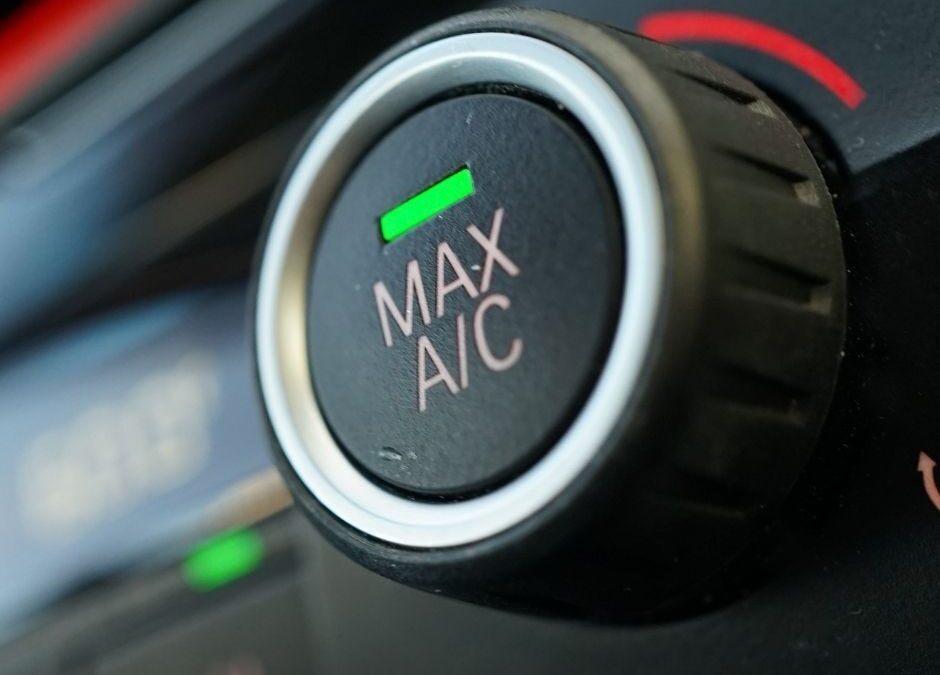
Every summer, vehicles limp into our bays blowing hot air immediately after a quick-lube shop blindly dumps a “recharge can” into the system. Owners often spend $150 on these top-off gases, only to return a week later facing a $3,000 bill for a blown compressor. By looking only at a cheap plastic pressure gauge and ignoring the root cause, they accidentally hydro-lock the entire system. Our team hooks up a recovery machine, pulls out the contaminated gas, and inevitably finds a micro-leak that turned the internal lubricating oil into battery acid.
The Chemistry of Failure: Why Systems Actually Die
Automotive air conditioning is a closed, pressurized loop that should never “consume” refrigerant. If your vents are blowing warm, you likely have a leak, a mechanical failure, or a heat-transfer restriction. When these systems break down, they follow a specific thermodynamic failure path that a DIY can cannot fix.
Specifically, three factors lead to total system “Black Death”:
-
Hygroscopic Acidification: Modern A/C systems use PAG (Polyalkylene Glycol) oil, which absorbs atmospheric moisture like a sponge. When refrigerant leaks out, moisture leaks in. Consequently, this water reacts with the oil to create a corrosive acid that eats your evaporator core from the inside out.
-
Lubrication Starvation: The compressor is the heart of the system and relies on refrigerant to carry a fine mist of oil through the lines. If the charge is low, the oil stops moving. Therefore, metal pistons grind against aluminum walls until the unit seizes.
-
The “Stop-Leak” Clog: Many over-the-counter car AC recharge kits contain aggressive chemical sealants. While they might temporarily plug a tiny hole, they also gum up the microscopic pinhole in your expansion valve, effectively suffocating the cooling cycle.
Book your appointment online
The Bruce Cox Precision Process
We do not guess with your comfort or your wallet. When you bring your vehicle to us, we deploy strict, environmentally compliant diagnostic strategies to isolate the exact hardware failure.
-
First, we perform Refrigerant Identification. We verify exactly what chemical is inside your system using a digital identifier. Mixing R-134a with flammable DIY propane blends creates explosive pressures; consequently, we verify purity before turning a wrench.
-
Next, we utilize High-Pressure Nitrogen Testing. Our techs never use expensive refrigerant to find a leak. Instead, we pressurize the loop with 150 PSI of dry nitrogen and use ultrasonic microphones to hunt for the microscopic hiss of escaping gas.
-
Furthermore, we execute a Deep Vacuum Evacuation. Once the leak is sealed, we pull the system down to -29 inHg. This extreme negative pressure physically lowers the boiling point of trapped water, allowing us to boil off moisture and suck it out of the lines.
-
Finally, we recharge by Weight, Not Pressure. We inject the exact mass of refrigerant specified by the manufacturer, ensuring the thermal load is perfectly balanced.
The “Dealership” Filter: Why Quick-Lubes Fail
High-volume shops rely on the “Evacuate and Recharge” special to hit their daily quotas. They hook up a machine, swap the gas, and charge you for the labor without ever finding the leak. Essentially, they treat the symptom rather than the disease. Conversely, we track voltage, measure system superheat, and isolate the failing component to protect your hardware from a repeat failure.
Master Tech Tip: If your A/C only blows cold while driving on the highway but dies at stoplights, your condenser fan is likely failing. Ignoring this causes system pressure to skyrocket, which can literally blow the seals out of your compressor.
People Also Ask
How often does my car need a car AC recharge? A healthy A/C system never needs to be “topped off” because it is a sealed unit. If you need gas, you have a leak. Consequently, we recommend a performance check every two years to catch micro-leaks before they turn into “Black Death.”
Why does my A/C smell like a damp basement? This odor is caused by mold and bacteria growing on the moist fins of your evaporator core. Usually, a clogged drain tube is trapping condensation inside the dash. We clear the blockage and apply an anti-microbial foam to kill the spores at the source.
What is the difference between R-134a and R-1234yf? Newer vehicles use R-1234yf because it breaks down in the atmosphere in just 11 days. However, it is mildly flammable and requires highly specialized, expensive equipment to service safely compared to the older R-134a standard.
Schedule your appointment now
Stop Guessing. Start Driving Comfortably.
If your air conditioning is making grinding noises or blowing warm air, stop relying on “recharge cans.” Contact Bruce Cox Automotive today to schedule a Precision Digital Inspection and fix the leak right the first time or book your appointment online here