 1831 N State St

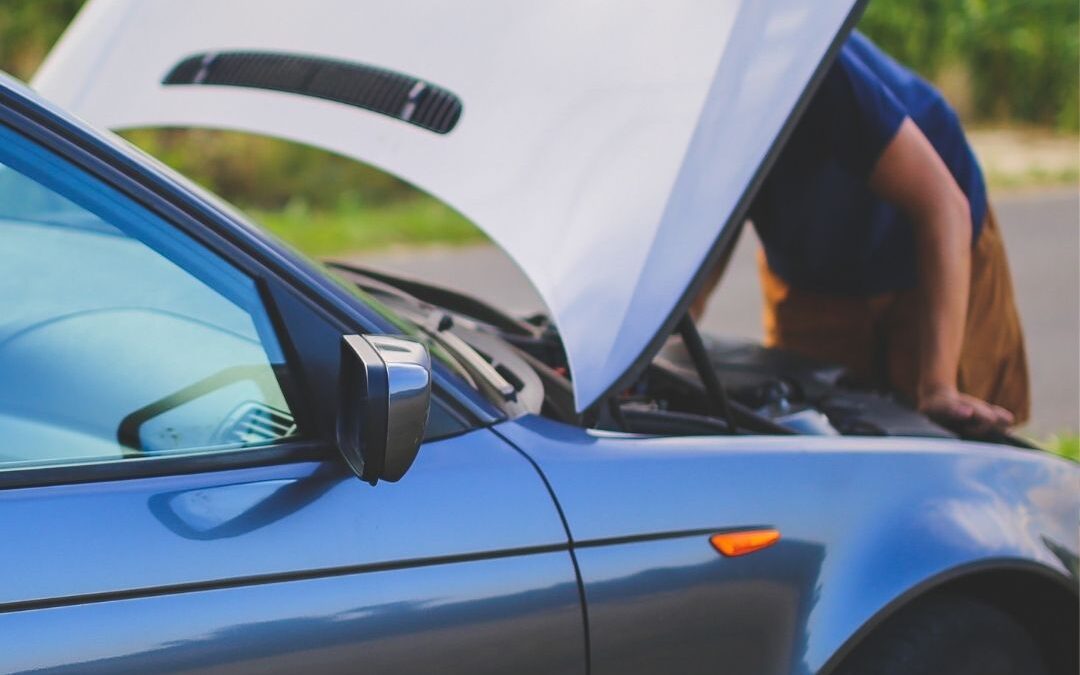
You brought your vehicle in for imported car repair. However, the problem came back. Consequently, you are now facing higher costs, more downtime, and less trust in the process.
I see this every week at Bruce Cox Automotive. Specifically, owners arrive after two or three failed repairs. Therefore, the issue is rarely the part itself. Instead, the failure usually comes from poor diagnostics and a lack of understanding of how imported systems actually behave.
Most importantly, imported vehicles demand precision, not guesswork.
Book your appointment online now
The Technical Truth Behind Imported Car Repair Failures
1. Thermal Expansion and Material Mismatch
Imported engines often use tighter tolerances than domestic designs. Consequently, small changes in temperature create big changes in performance.
For example, aluminum blocks expand faster than steel components. Therefore, a valve body or timing component may function cold but fail hot. I have verified this using thermal imaging and live scan data.
Additionally, inferior aftermarket parts often use different metallurgy. As a result, they expand at the wrong rate and create intermittent failures.
Master Tech Tip: If a problem only happens warm, I test hot clearances and live data, not just cold specs.
2. Hydraulic Pressure Instability in Modern Transmissions
Modern imported transmissions rely on precise hydraulic control. However, many shops overlook pressure testing.
Specifically, Subaru and Toyota valve bodies depend on solenoid modulation and fluid viscosity. Therefore, a slight pressure drop can cause harsh shifts or delayed engagement.
I use a pressure gauge alongside a scan tool to correlate commanded vs actual pressure. Consequently, I can see failures others miss.
Most importantly, replacing a valve body without testing pressure is the “parts cannon” in action.
3. CAN Network Communication Failures
Imported vehicles use complex communication networks. Additionally, a single faulty module can disrupt the entire system.
For example, I have diagnosed drivability issues caused by voltage drops on the CAN bus. Therefore, the engine was fine, but the data it relied on was corrupted.
Using an oscilloscope, I check signal integrity at the waveform level. Consequently, I can pinpoint network faults that no basic scanner will catch.
Master Tech Tip: If you are not scoping the network, you are guessing.
The Bruce Cox Precision Process
Step 1: Confirm the Failure Condition
First, I duplicate the issue under real conditions. However, I do not rely on customer description alone.
I drive the vehicle, monitor live data, and log behavior. Consequently, I capture exactly when and how the failure occurs.
Step 2: Data Before Parts
Next, I connect a professional scan tool. Additionally, I review freeze frame data, fuel trims, and transmission parameters.
I also use an oscilloscope when signals matter. Therefore, I see what the computer sees, not just what it reports.
Step 3: Mechanical Verification
After that, I verify the physical system. Specifically, I test pressures, clearances, and component response.
For example, I may measure transmission line pressure under load. Consequently, I confirm whether the issue is hydraulic or electronic.
Step 4: Root Cause Identification
Then, I isolate the root cause. However, I do not stop at the first failed part.
I ask why that part failed. Therefore, I prevent repeat failures and wasted money.
Step 5: Precision Repair
Finally, I install the correct component. Additionally, I verify operation after repair under the same conditions.
Most importantly, I prove the fix before the car leaves the shop.
Schedule your appointment today
Why Dealerships and Generic Shops Get This Wrong
Dealerships often rely on flowcharts. However, those charts assume common failures, not complex ones.
Additionally, high overhead pushes faster turnaround. Consequently, technicians may replace parts instead of testing systems.
Independent shops can also struggle. Specifically, many lack advanced tools like oscilloscopes or pressure testing equipment.
In contrast, I diagnose systems, not symptoms.
The biggest myth I hear is this: “The dealership already diagnosed it.” However, I regularly correct those diagnoses.
I have saved customers thousands by avoiding unnecessary engine or transmission replacements. Therefore, proper imported car repair is not about brand. It is about method.
Frequently Asked Questions About Imported Car Repair
Why are imported car repairs more complex?
Imported vehicles use tighter tolerances and advanced electronics. Therefore, small deviations cause major issues. Additionally, they rely heavily on network communication and precision hydraulics. Consequently, proper diagnosis requires specialized tools and experience, not just part replacement.
Is it better to go to the dealership for imported car repair?
Not always. However, dealerships often follow standard procedures rather than deep diagnostics. Additionally, they may replace assemblies instead of repairing components. Consequently, an independent specialist with the right tools can provide more accurate and cost-effective repairs.
What is the biggest mistake people make with imported car repair?
The biggest mistake is approving repairs without proper testing. Specifically, many shops use the parts cannon approach. Therefore, they replace components based on guesses. Consequently, this leads to repeat failures and unnecessary expenses.
Get It Fixed Right the First Time
If your imported vehicle has been misdiagnosed, you are not alone. However, continuing down that path will only cost more.
At Bruce Cox Automotive, we approach imported car repair with precision and accountability. Therefore, you get answers, not guesses.
Book your diagnostic appointment today online or call us directly.
Let’s fix it right the first time.