 1831 N State St

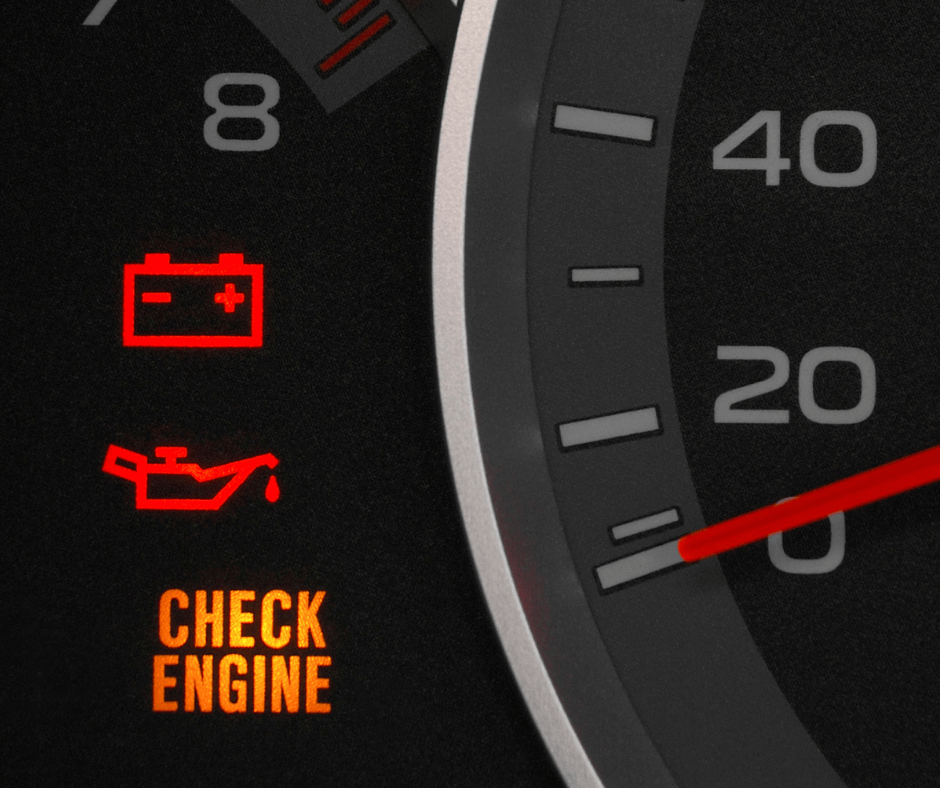
Every week at Bruce Cox Imports we see the same situation. A driver comes in with a check engine light that started as a small warning and slowly turned into reduced power, rough running, or a vehicle that feels unsafe to drive. The check engine light is one of the most misunderstood indicators on the dashboard, and many drivers delay addressing it because the car still seems to run fine.
The truth is that modern engines rely on constant communication between sensors, modules, fuel systems, emissions components, and ignition systems. When one part falls out of range, the vehicle protects itself by triggering the warning. In Bellingham’s moisture heavy climate, these issues show up sooner and get worse faster.
This guide breaks down what the check engine light actually means, the issues we diagnose most often at the shop, and what your car is telling you long before the problem becomes expensive.
Why Your Check Engine Light Turns On in the First Place
Your car’s onboard diagnostic system is always monitoring performance. When something falls outside its expected range, the computer logs a fault code. That code triggers the check engine light.
Different faults have different levels of urgency. A loose gas cap generates a very different warning than a failing catalytic converter. Part of our job is determining whether the code is a symptom or the root cause itself.
Common triggers include:
• Fuel mixture running too rich or too lean
• Misfires from worn spark plugs or weak coils
• Evaporative emissions leaks
• Faulty oxygen or airflow sensors
• Timing issues in modern variable valve systems
• Catalytic converter efficiency problems
• Low voltage from weak batteries or failing alternators
• Moisture intrusion in connectors and grounds
• Fuel system pressure irregularities
In Bellingham, moisture, short trips, and temperature swings often push borderline components over the edge. We see this most in vehicles that sit outside near WWU or commute daily through stop and go traffic around downtown.
Book your appointment now or call us today
The Check Engine Light Patterns That Actually Mean Something
Not all check engine lights are equal. The way your light behaves tells you a lot.
A steady light
A steady check engine light means the system detected a fault but the vehicle is still able to run normally. You should schedule diagnostics soon, but the car is usually safe to drive for the short term.
A flashing light
A flashing check engine light is a serious warning. It usually means the engine is misfiring to the point where unburned fuel is entering the exhaust system. This can damage the catalytic converter quickly. If the light is flashing, minimize driving and bring the vehicle in immediately.
A check engine light that comes and goes
Intermittent warnings usually point to sensors that are drifting, failing connectors, or problems related to moisture. These conditions often get worse over time and can be harder for drivers to recognize as serious.
The Most Common Check Engine Problems We Diagnose in Bellingham
Oxygen Sensor Failures
O2 sensors age slowly, but once they drift out of spec the engine compensates in ways that reduce fuel efficiency and increase emissions. Moisture from our climate often accelerates corrosion on connectors.
EVAP System Leaks
This includes loose gas caps, cracked hoses, faulty purge valves, and broken seals. EVAP issues are one of the top reasons Bellingham drivers see the light turn on.
Ignition Misfires
Worn spark plugs, weak coils, or moisture buildup in plug wells cause misfires. When we scope these issues in the shop we often see clear signs of electrical leakage during damp mornings.
Mass Air Flow Sensor Problems
A drifting MAF sensor changes how the engine calculates air and fuel. Short city trips make this worse because the sensor never fully burns off contaminants.
Catalytic Converter Efficiency Codes
These happen when the converter is not processing exhaust gases properly. Sometimes the converter truly is failing. Other times it is a downstream effect from a misfire, bad sensor, or fuel issue.
Low System Voltage
One that surprises drivers. A weak battery or alternator can cause false codes, intermittent warnings, and rough operation. Winter is when we see this most often.
Why Bellingham Driving Conditions Make Check Engine Problems More Common
Short Trip Driving
Quick five to ten minute drives around town never let the system reach full operating temperature. This causes moisture buildup inside the exhaust and intake system and increases carbon buildup.
High Humidity
Moisture penetrates connectors, sensors, and grounds. This is one of the top reasons local drivers see oxygen sensor and EVAP failures.
Cold Morning Starts
Cold weather exposes borderline ignition components. Misfires show up most often early in the morning or after long periods of sitting.
Vehicles Parked Outdoors
Students, downtown residents, and anyone near the water see more moisture related issues. Many of the intermittent check engine lights we diagnose come from vehicles parked outside overnight.
How We Diagnose Check Engine Light Problems at Bruce Cox Imports
Reading the code is only step one. Anyone with a cheap scanner can pull a code. The real diagnostic process requires:
• Live data from sensors under load
• Fuel trim analysis
• Scope testing for ignition patterns
• Smoke testing for EVAP leaks
• Voltage and ground integrity testing
• Visual inspection for moisture or corrosion
• Real road testing to recreate symptoms
The difference between clearing a code and fixing the cause is what keeps your vehicle reliable long term. Many check engine lights have multiple underlying issues, and the real world testing we perform is what identifies the actual cause.
When You Should Bring the Car In
You should schedule diagnostics if:
• The check engine light is flashing
• The vehicle feels rough, sluggish, or down on power
• Fuel economy suddenly drops
• You smell fuel, raw exhaust, or sulfur
• The light keeps coming back after clearing
• You hear knocking or popping on acceleration
• The vehicle struggles to start on cold mornings
You can wait briefly if:
• The light comes on after refueling and the gas cap was loose
• The car drives perfectly normal and the light is steady
• The code was related to minor sensor drift and it only happened once
If you are unsure, we can run a full scan and verify what the light is telling you.
A Quick Diagnostic Goes a Long Way in Bellingham
Cold nights, heavy moisture, and short trip driving make check engine problems more common in our area. If your light is on or your vehicle is running differently, a full diagnostic can prevent costly repairs and keep your car safe and reliable through the season. We will walk you through the results and help you understand exactly what your vehicle needs.