 1831 N State St

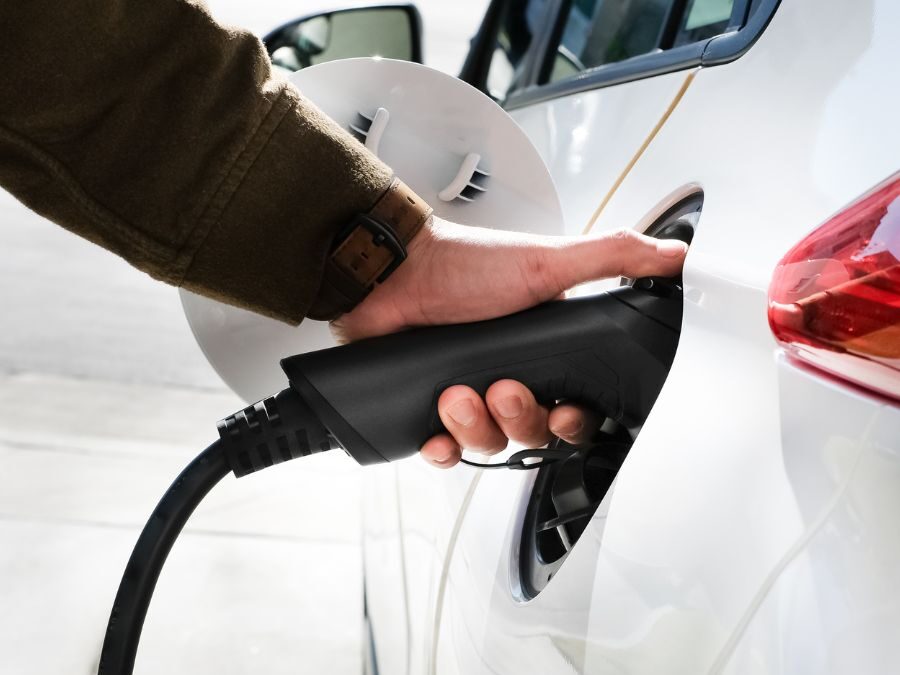
The 90-mile stretch between Bellingham and Seattle is a gauntlet for any vehicle. Between the heavy rain in the Skagit Flats, the grueling stop-and-go through Marysville, and the final climb into downtown Seattle, your hybrid is working overtime.
Whether you’re commuting for work or heading down for a weekend at Pike Place, the way you manage your hybrid service and driving habits determines whether you’re getting 50 MPG or closer to 30. Here is how to conquer the I-5 corridor while keeping your car in peak condition.
The Anatomy of an I-5 Hybrid Commute
To get the most out of your vehicle, you have to understand how your hybrid’s brain works during different segments of the drive.
| Segment | Driving Condition | Hybrid Strategy |
| Bellingham to Mt. Vernon | High-speed cruising (70 mph) | Use Cruise Control to maintain steady RPMs. |
| Everett to Lynnwood | Moderate congestion / “The Slog” | Engage Eco Mode to optimize throttle response. |
| Shoreline to Seattle | Stop-and-go / Heavy traffic | Maximize Regenerative Braking to charge the battery. |
3 “Hypermiling” Tips for the North Sound
You don’t need to be an engineer to improve your efficiency on I-5. Local drivers can squeeze extra miles out of every tank with these PNW-specific tips:
1. The “Pulse and Glide” Technique
On the flatter sections of I-5 near Burlington, try the pulse and glide. Accelerate slightly above your target speed (the pulse), then lift off the accelerator to let the engine shut off and the electric motor take over (the glide). This is most effective under 45 mph but can be used in heavy traffic to keep your gas engine dormant.
2. Mastering the Hills
When approaching the steep grades near Lake Samish or the Boeing plant in Everett, don’t floor it to maintain speed. It’s more efficient to lose 2–3 mph on the way up and regain it using gravity on the way down. This prevents the gasoline engine from high-RPM “screaming,” which kills your average MPG.
3. Tire Pressure vs. The Temperature Drop
Bellingham mornings can be 15 degrees colder than Seattle afternoons. For every 10-degree drop in temperature, your tires can lose 1 PSI. Under-inflated tires increase rolling resistance, making your battery work harder. During your regular hybrid maintenance at Bruce Cox, we check for the “sweet spot” PSI that balances comfort with maximum fuel economy.
Winter Readiness: The PNW Hybrid Challenge
Rain is the enemy of efficiency. Wet roads create more friction, and your defroster and wipers pull current directly from your hybrid battery. If your battery is older, it may struggle to keep up with these “parasitic loads.”
A professional hybrid service check-up before the rainy season is essential. We inspect your:
-
Auxiliary (12V) Battery: Often overlooked, this battery “boots up” your hybrid system. Cold weather is its primary killer.
-
Cabin Air Filter: A clogged filter makes your HVAC system work harder, draining the high-voltage battery.
-
Brake Calipers: Road salt and moisture can cause calipers to stick, creating “brake drag” that ruins your mileage.
Why Trust Bruce Cox for Your Commute?
We aren’t just a shop; we’re your neighbors. We know that a breakdown in the middle of a Friday afternoon commute through Everett is a nightmare. Our goal is to provide the kind of local mechanic expertise that prevents those scenarios before they happen.
By combining specialized hybrid diagnostics with traditional auto repair in Bellingham values—like honesty and fair pricing—we ensure your commute is as stress-free as possible.
Schedule Your Hybrid Health Check Today
Don’t wait for a warning light to compromise your fuel economy. Whether you’re in Ferndale, Lynden, or right here in the heart of Bellingham, the team at Bruce Cox Auto Service & Repair is ready to help your hybrid go the distance.
Ready for peak performance? Schedule Your Service Online or call us at (360) 671-8326 to speak with a technician today.
How do I know if my hybrid cooling system is failing?